
Raising a Capable Preschooler: 7 Ways to Build Confidence Before Kindergarten
Confidence is not something we hand a child. It is something they build, one small act of capable independence at a time. Here are seven ways to support that process during the preschool years.
Capable children are not created by doing everything for them.
They are built in the slower moments. The messy ones. The ones where we step back and let them figure something out, speak up for themselves, or try something that might not work the first time. Those moments are uncomfortable for us sometimes, and they are exactly where confidence grows.
What we know from early childhood research is that children who arrive at kindergarten with a strong sense of their own capability, not just academic skills, but the belief that they can try, struggle, and succeed, are better equipped to learn, connect with peers, and navigate the challenges of a classroom environment.
The preschool years are the very best time to build that foundation. Here are seven ways to do it.
7 Ways to Raise a Capable, Confident Preschooler

1. Let Them Solve Problems
When a child encounters a problem, our instinct is often to step in and fix it quickly. A more powerful approach is to pause, ask a gentle question, and give them space to work through it. “Hmm, what do you think we could try?” is one of the most confidence-building sentences in the early childhood toolkit.
Example 1: A child cannot get the lid off her marker. Instead of opening it, a parent says, “Let’s see if you can figure that out.” She tries three different approaches, succeeds on the third, and beams. The marker lid becomes a small but real moment of “I can do hard things.”
Example 2: Two children in a classroom want the same book at the same time. Rather than intervening immediately, their teacher asks, “What could you two figure out together?” Within two minutes they have negotiated a solution entirely on their own.
2. Let Them Struggle Safely
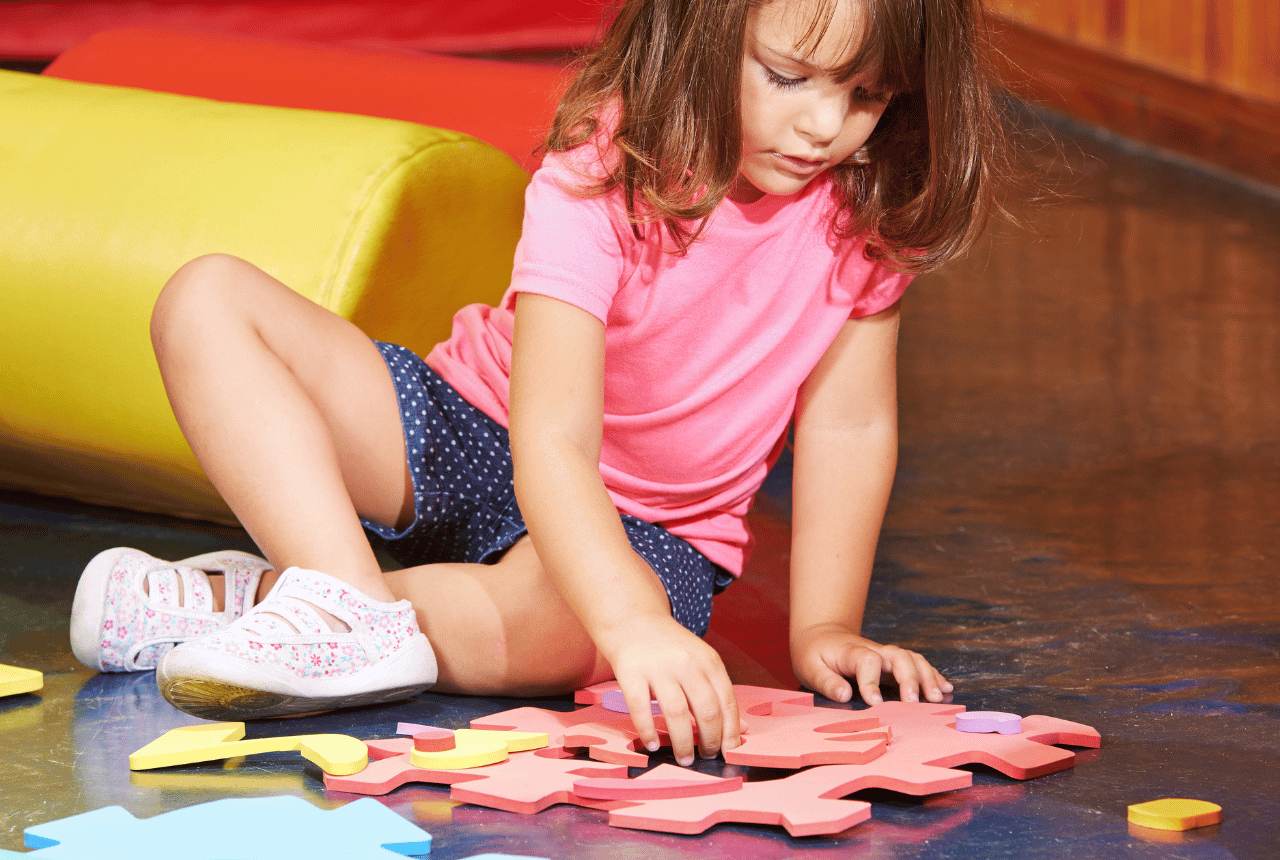
There is an important difference between struggle that builds resilience and struggle that overwhelms. Safe struggle means the challenge is within reach, the environment is supportive, and the adult is present but not intervening. It is in this space that children discover what they are truly capable of.
Example 1: A four-year-old is learning to put on his own shoes. It takes seven minutes and both shoes end up on the wrong feet the first time. His parent waits, offers encouragement, and lets him try again. By the end of the week he is doing it independently every morning.
Example 2: A preschool teacher sets out a new puzzle that is slightly more challenging than what children have done before. She stays nearby, offers warm encouragement, and resists completing any section for them. Every child finishes. The pride in the room is palpable.
3. Let Them Speak for Themselves
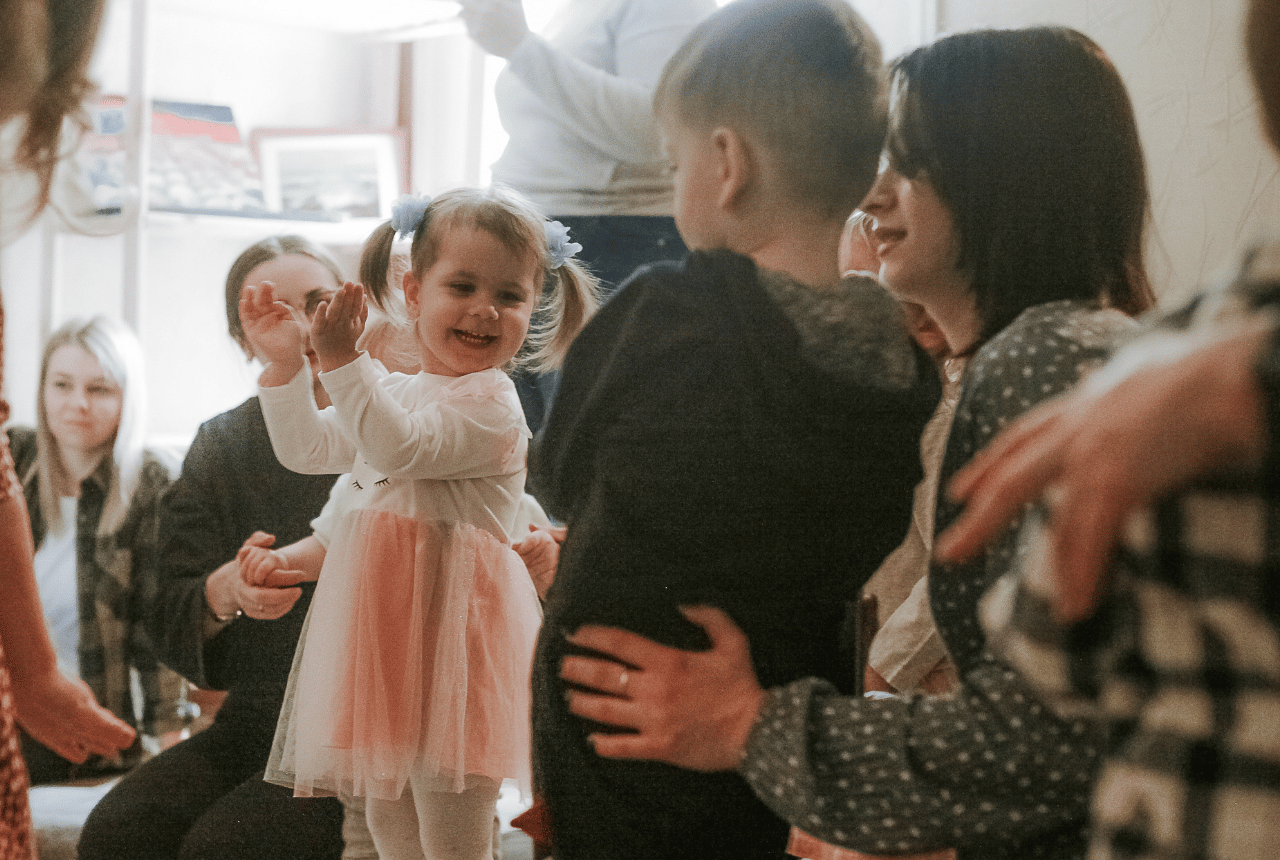
When we speak on behalf of our children in social situations, we inadvertently communicate that we do not trust them to handle it. Giving children supported opportunities to use their own voice, to order their own food, greet a new person, or ask for help from a teacher, builds the social confidence they will rely on throughout their lives.
Example 1: At a family gathering, a parent gently encourages her shy three-year-old to tell grandma what she has been learning about. She whispers the first word to her daughter, who takes it from there. The conversation lasts five minutes and the child talks about it for days.
Example 2: An educator creates a weekly “sharing chair” where each child has a turn to share something with the group. Over time, even the quietest children begin volunteering. The practice of being heard builds a sense of worth and voice that extends far beyond the classroom.

4. Let Them Help Plan Summer Fun
Giving preschoolers ownership over parts of their own experience is one of the most underused confidence tools available to us. When a child has a say in what the day holds, they show up with more investment, more enthusiasm, and more willingness to engage. This is especially true for summer, which offers a natural canvas for child-led exploration.
Example 1: A family sits down together with a simple list and asks their four-year-old to choose three things he wants to do this summer. He chooses a camping trip, a day at the farmers market, and making homemade ice cream. All three happen. He talks about planning them as proudly as the experiences themselves.
Example 2: A home educator invites children to draw or dictate their “summer wish list” at the end of the school year. She works several of their ideas into the summer program. Children arrive each day asking, “Is today one of ours?”

5. Give Them Real Responsibilities
Children who are trusted with real contributions to family or classroom life develop a sense of themselves as capable and needed. The task itself matters less than the message it sends: we trust you, and your efforts make a difference here.
Example 1: A three-year-old is given the job of feeding the family dog every morning. Within a week she is waking up and heading to the kitchen before her parents are even out of bed. The responsibility has given her morning a sense of purpose.
Example 2: A preschool class takes turns as the “weather reporter,” checking outside each morning and announcing the weather to the group. Children begin checking the sky on their way into school, already thinking about their role before the day begins.
6. Celebrate Effort Over Outcome
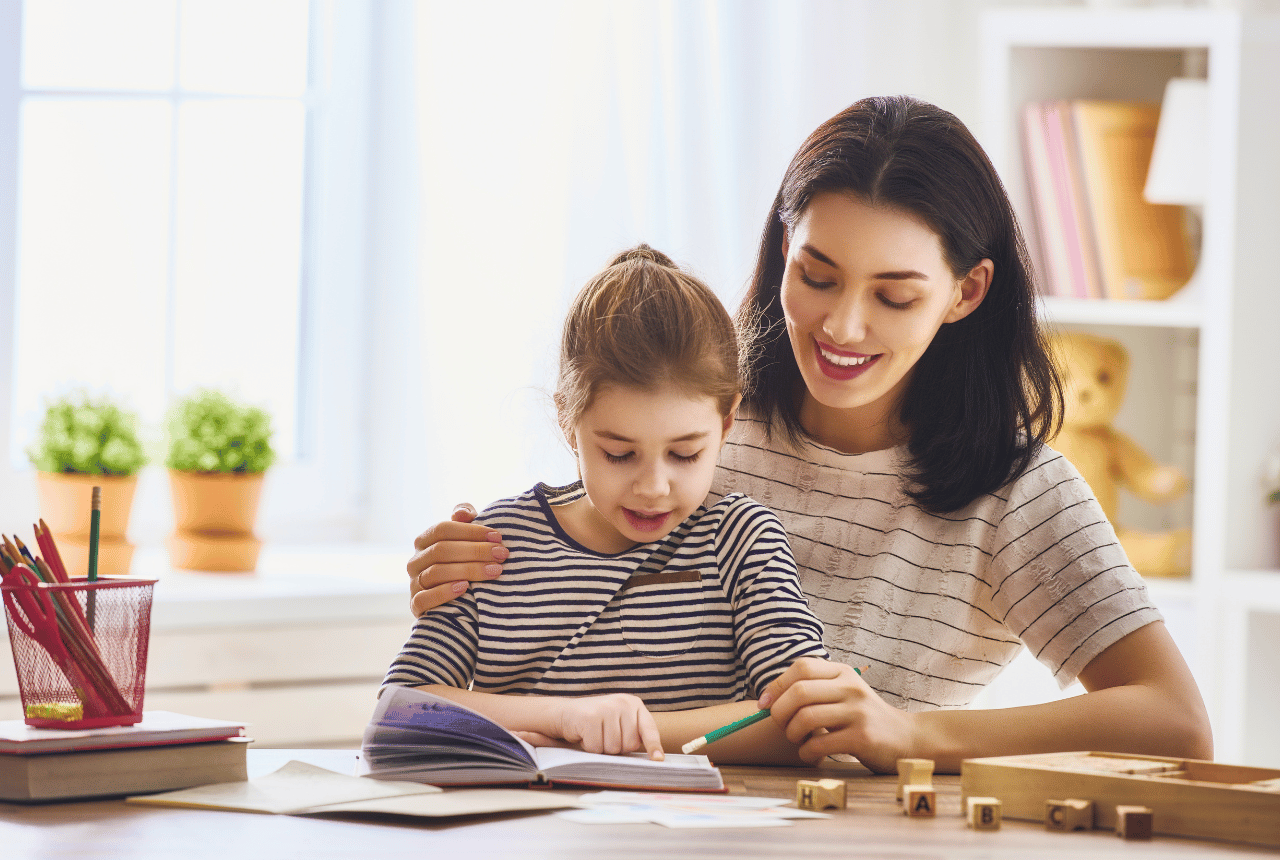
When we acknowledge the process rather than just the result, we teach children that trying is what matters. This builds a growth mindset that serves them throughout their education and lives. Specific, genuine encouragement tied to effort is far more powerful than general praise.
Example 1: A child brings a drawing that is hard to identify to her parent. Instead of asking what it is, her parent says, “You worked on that for a long time. Tell me about it.” The child launches into a detailed explanation and immediately starts another one.
Example 2: During a building activity, a teacher notices a child whose tower keeps falling. Rather than helping rebuild it, she says quietly, “You keep trying a different way. That is exactly what builders do.” The child tries four more configurations and eventually gets it to stand.

7. Create Space for Their Ideas
A child whose ideas are welcomed and taken seriously grows up believing their thinking has value. This is foundational to confidence, creativity, and the kind of engaged, curious learning that kindergarten teachers love to see. Creating intentional space for children’s ideas is one of the simplest and most impactful things we can do.
Example 1: A parent ends each day with, “What was your best idea today?” At first her son is quiet, but within a week he is arriving home from school already thinking about what he wants to share. The question has made him notice and value his own thinking.
Example 2: An educator keeps a small “idea board” in the classroom where children can draw or dictate their ideas for activities, projects, or classroom changes. Several of their suggestions are implemented. Children refer to the board proudly and newcomers to the class immediately want to contribute.
Confidence Grows Quietly, One Small Moment at a Time
None of these approaches require a curriculum, a special supply order, or a restructured schedule. They require a shift in how we see our role alongside children. A little less doing for, a little more doing with and stepping back.
A preschooler who feels capable, heard, trusted, and encouraged to try is not just ready for kindergarten. They are ready to meet the world with the quiet confidence that makes everything else possible.
And summer, with its open days and slower pace, is one of the very best seasons to practice all seven of these. We have been putting together something to help you make the most of it. More soon.
Give Your Preschooler Ownership of Summer
Download the free Summer Fun Memory-Making Guide from Peake Academy. It is packed with activities, adventures, and simple frameworks for giving your preschooler real ownership of their summer experience. Because a child who helps design their summer arrives at each day with confidence and joy already in hand.

Welcome to Your Summer of
Fun and Memories
Are you ready to fill your summer with laughter, creativity, and meaningful moments? Our Summer Fun Memory-Making Guide is packed with activities designed to make every sunny day spectacular.
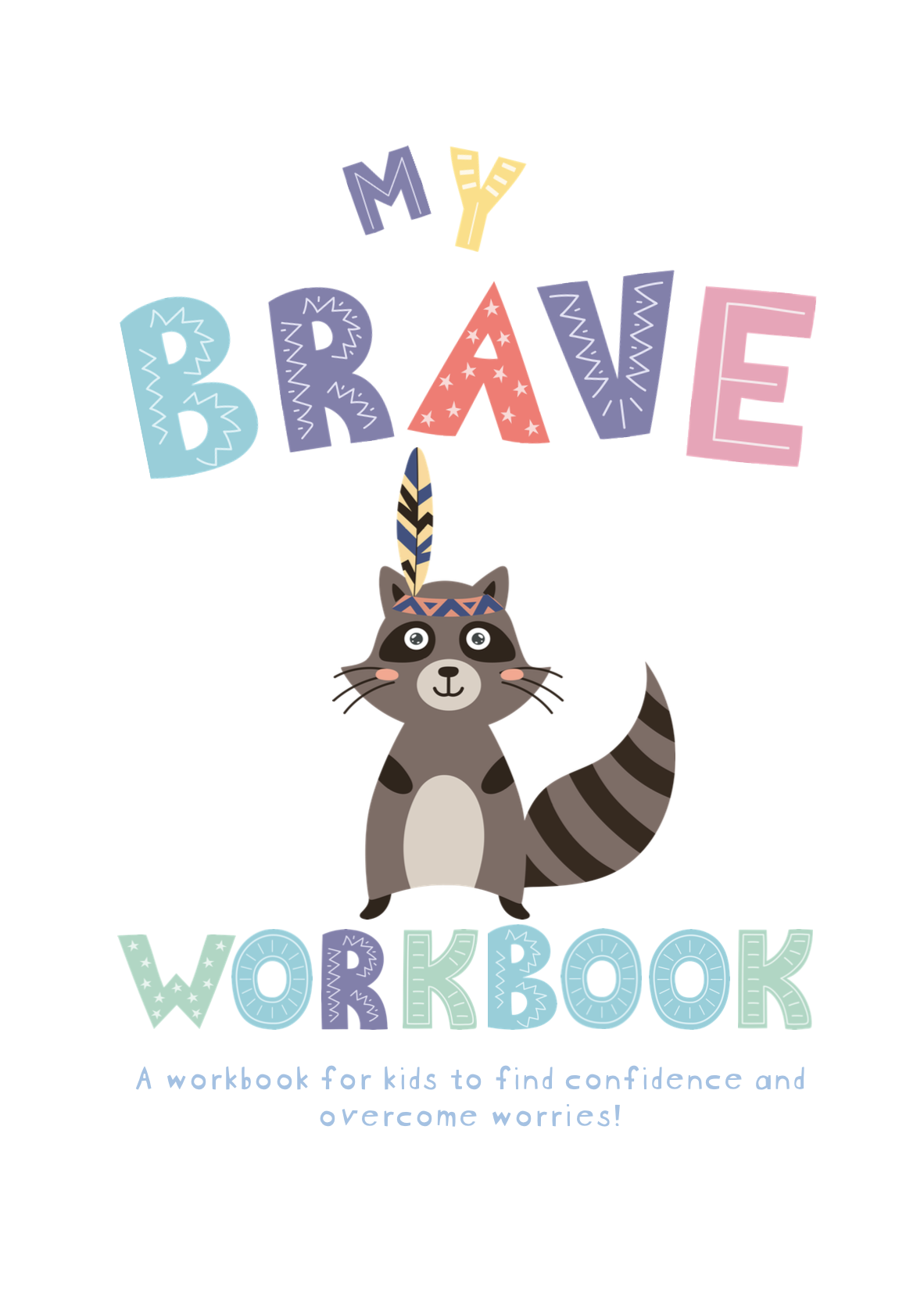
🌱 Grab the Free Confidence and Brave Workbook for Kids
We created a free Confidence and Brave Workbook designed specifically for preschoolers. It is playful, simple, and full of activities that support the seven confidence-building approaches in this article. A wonderful tool to work through together.
Thank you for reading this content. And if you loved this post, please be sure to join our Parent Advisor Facebook group, where we share more insights and community.
Visit our Parent Advisor and The Buzz Blogs to learn more about related topics and parenting tips. You are welcome to join our private Parent Advisor Facebook group. It’s a growing community of parents and preschool teachers where you can learn and share more parenting tips.