
Helping Preschoolers Focus: 9 Simple Ways to Support Attention Without Pressure
Preschool Focus & Attention | Calm Learning Strategies That Work
If preschool days feel scattered lately, you’re not imagining it. Mid-winter often brings lower energy, shorter attention spans, and a sense that everything takes a little more effort — for children and adults.
Focus challenges are a common part of early childhood, especially during this season. The key isn’t trying to make preschoolers sit still longer; it’s helping them build attention skills in ways that feel achievable, encouraging, and empowering.
When focus is supported with intention, calm begins to replace chaos.
What Focus Really Looks Like in the Preschool Years
Preschool focus doesn’t look like quiet desks and long worksheets.
It shows up as:
Staying with an activity for a short period of time
Returning to play after a distraction
Listening to simple directions
Completing a task with gentle support
Attention develops gradually, and it grows best when children feel successful. When expectations match development, preschoolers gain confidence — and confidence fuels focus.
Why Pressure Often Backfires
When children feel rushed or corrected for losing focus, their bodies respond with stress. Stress makes it harder for the brain to concentrate, regulate emotions, or stay engaged.
A calmer approach invites preschoolers to practice focusing instead of feeling judged for struggling with it. Over time, this builds resilience, independence, and stronger self-regulation skills.
Simple Ways to Support Preschool Focus Every Day

1. Set Clear, Short Focus Goals
Preschoolers benefit from knowing what they’re working toward. A focus goal might be just a few minutes at first — long enough to feel successful.
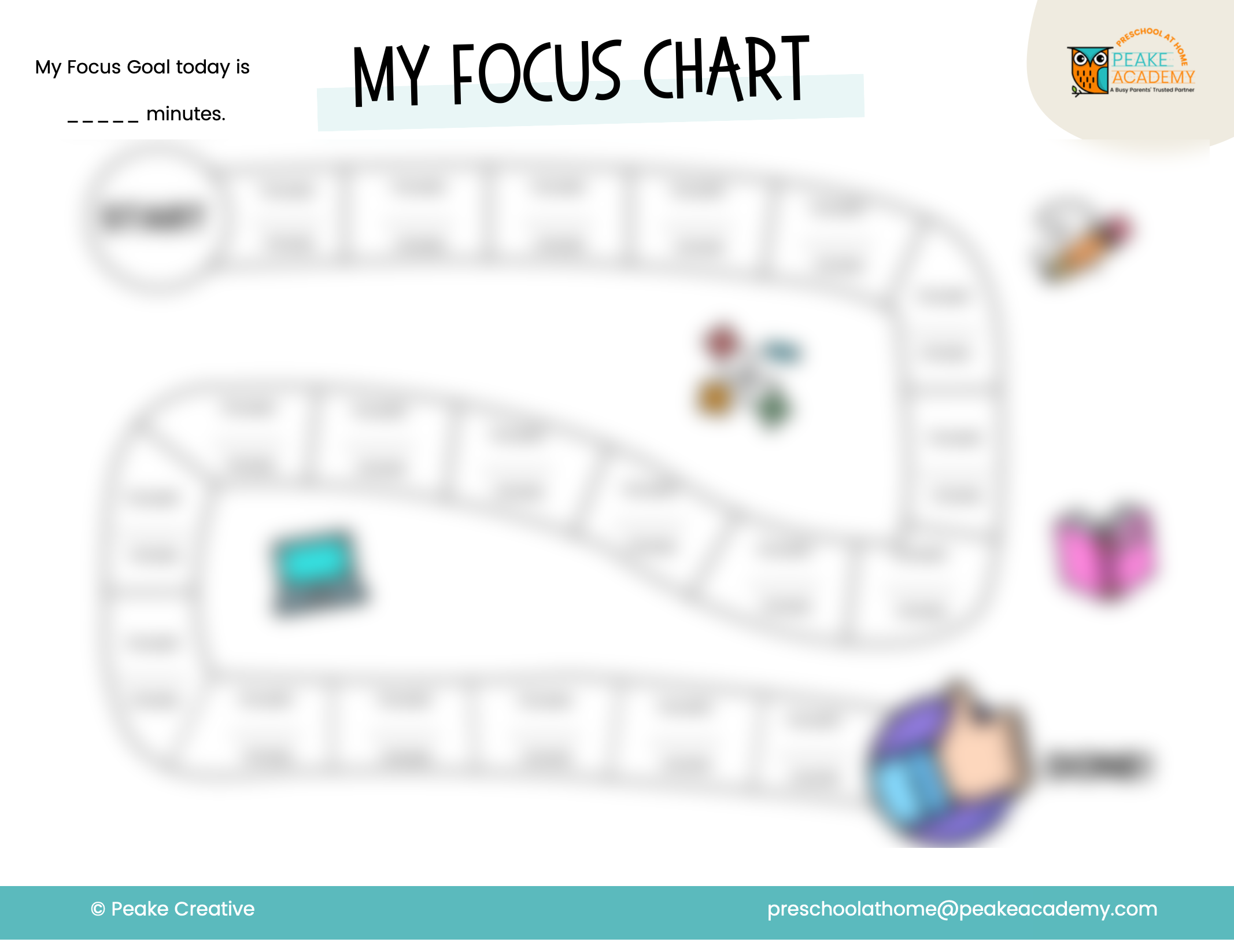
Tools like a Focus Chart make this visual and motivating. Children can see their progress and feel proud of their effort, which encourages them to keep going.
2. Turn Focus Into a Game
When attention feels playful, children stay engaged longer. Try:
Timers with fun sounds
“Can you finish before the song ends?”
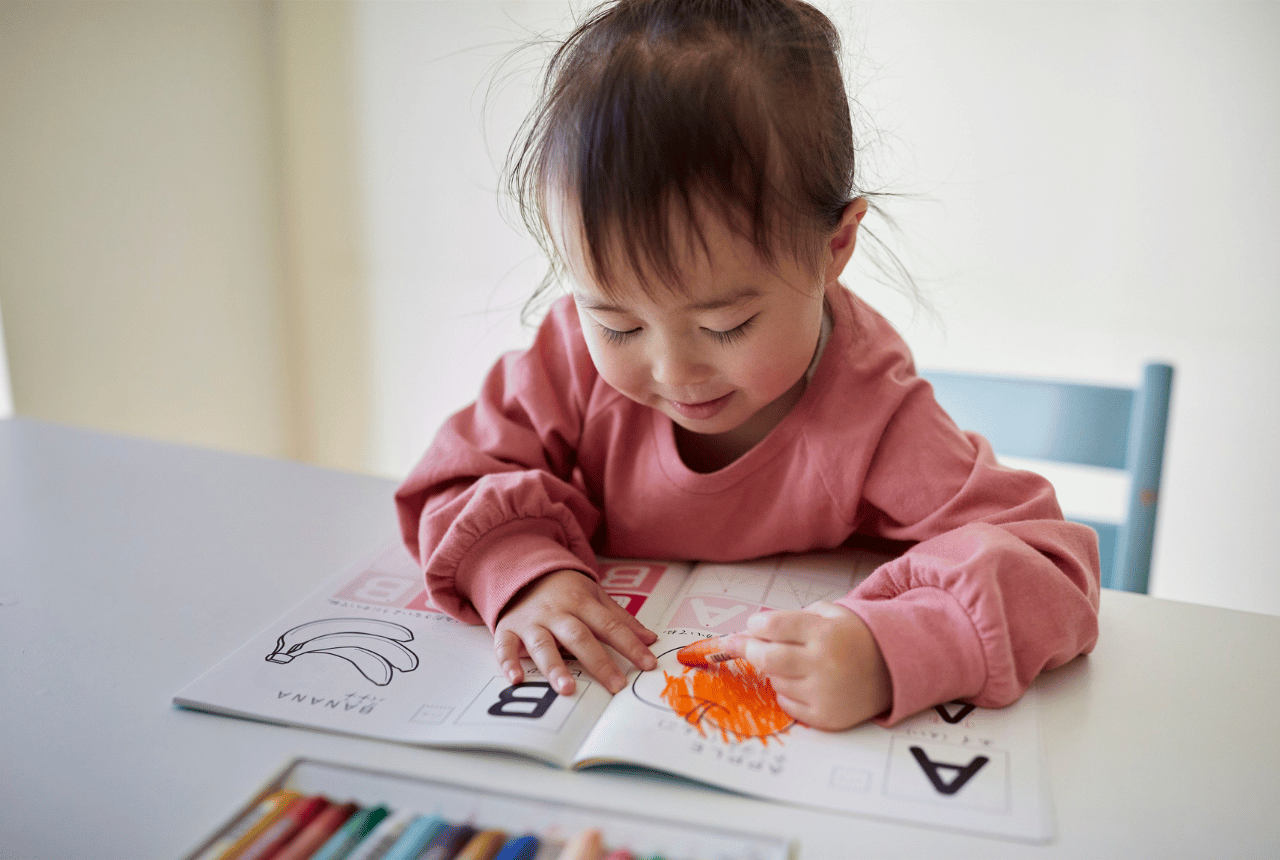
Coloring or filling in a space after focused work
This approach keeps learning light while still building important skills.
3. Build in Movement Breaks
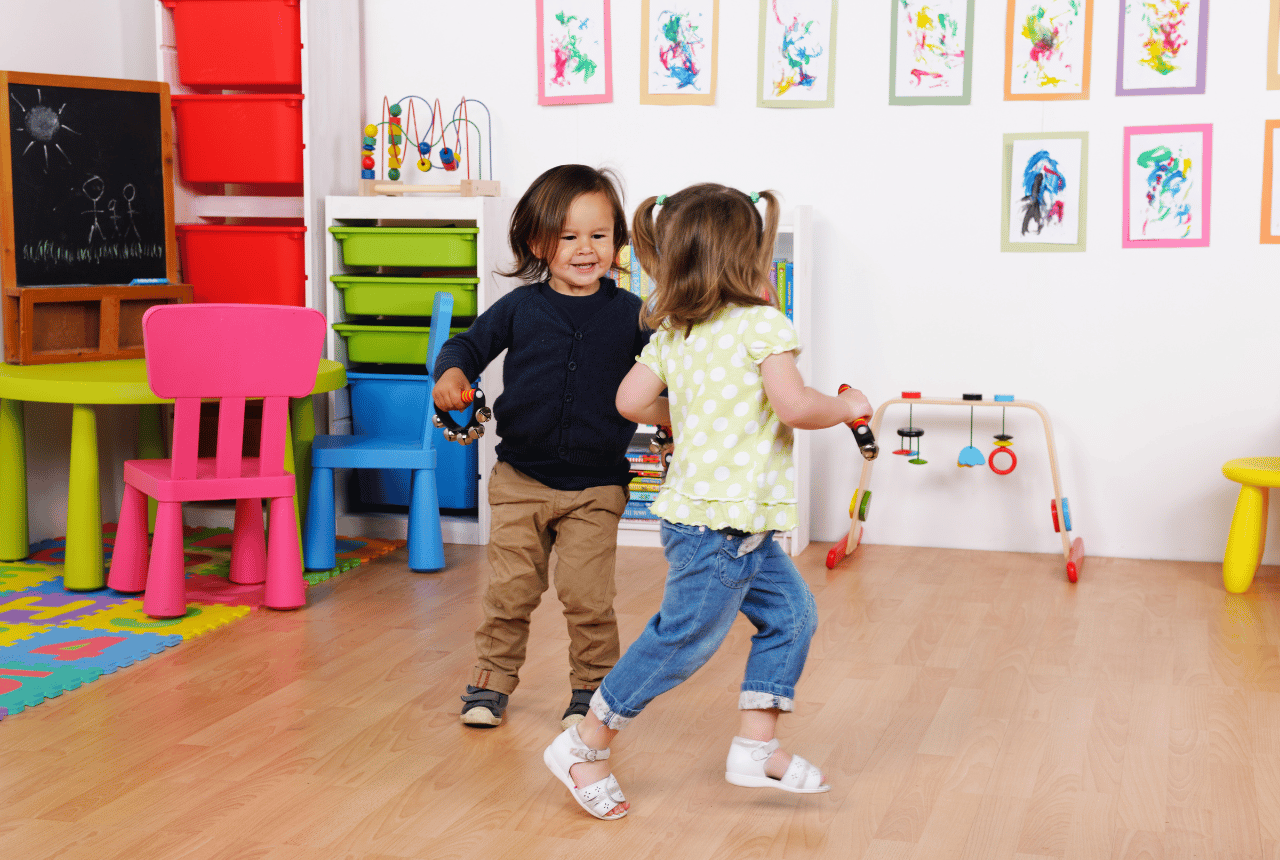
Movement supports attention. Short bursts of stretching, jumping, or dancing help reset the body and brain.
After moving, many preschoolers return to activities with renewed focus and energy.

4. Match Activities to Energy Levels
Some preschool tasks naturally require more focus than others. Try placing activities that need extra attention — puzzles, early literacy games, fine motor work — during times of day when your child’s energy is naturally steadier.
When expectations align with energy, focus feels more attainable.
5. Offer Clear Start-and-Finish Signals
Preschoolers focus more easily when they know when an activity begins and ends. Simple cues like a song, a timer, or a visual marker help children settle into the task and stay engaged.
Clear boundaries create a sense of safety and predictability.
6. Reduce Competing Distractions
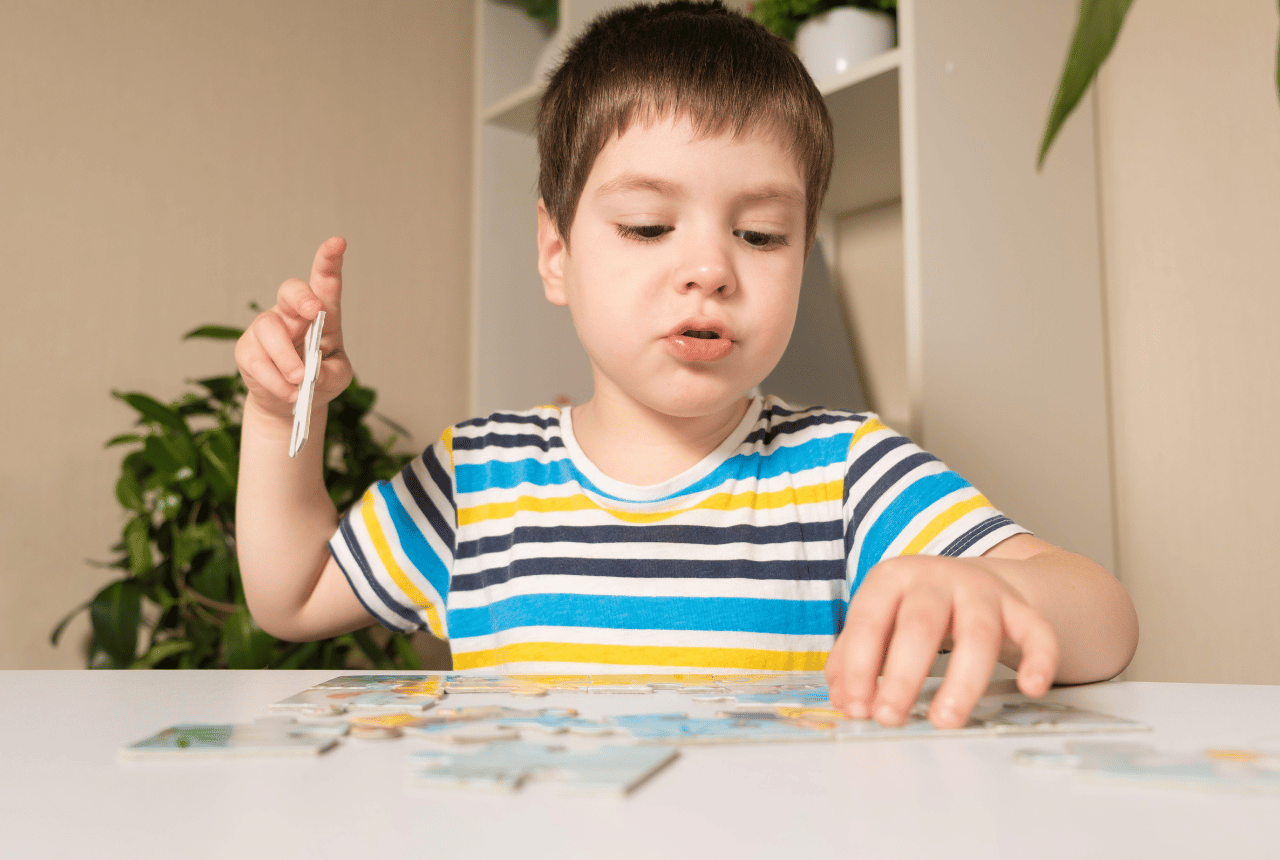
During focused moments, choose one activity at a time. A clear surface, limited materials, and fewer background noises help preschoolers direct their attention more effectively.
This supports quality focus without needing constant reminders.
7. Use Connection Before Direction
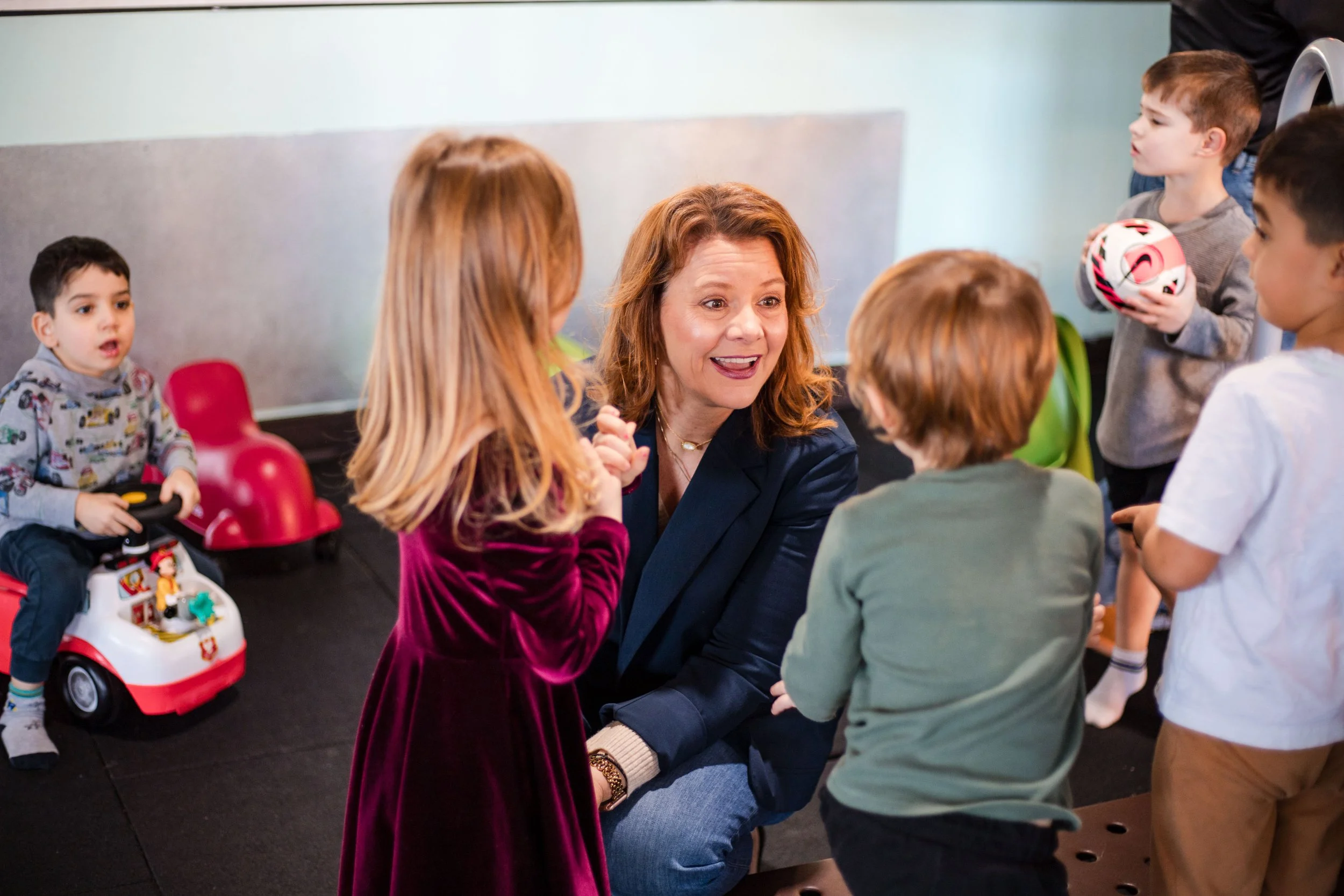
A moment of connection — eye contact, a gentle touch, or a shared breath — helps children feel seen and regulated before starting a task.
When children feel emotionally connected, they’re more ready to engage and focus.

8. Keep Expectations Flexible and Responsive
Some days, focus comes easily; other days it doesn’t. Observing your child’s cues and adjusting expectations supports trust and emotional safety.
Flexibility helps maintain progress over time.
9. Celebrate Effort, Not Perfection
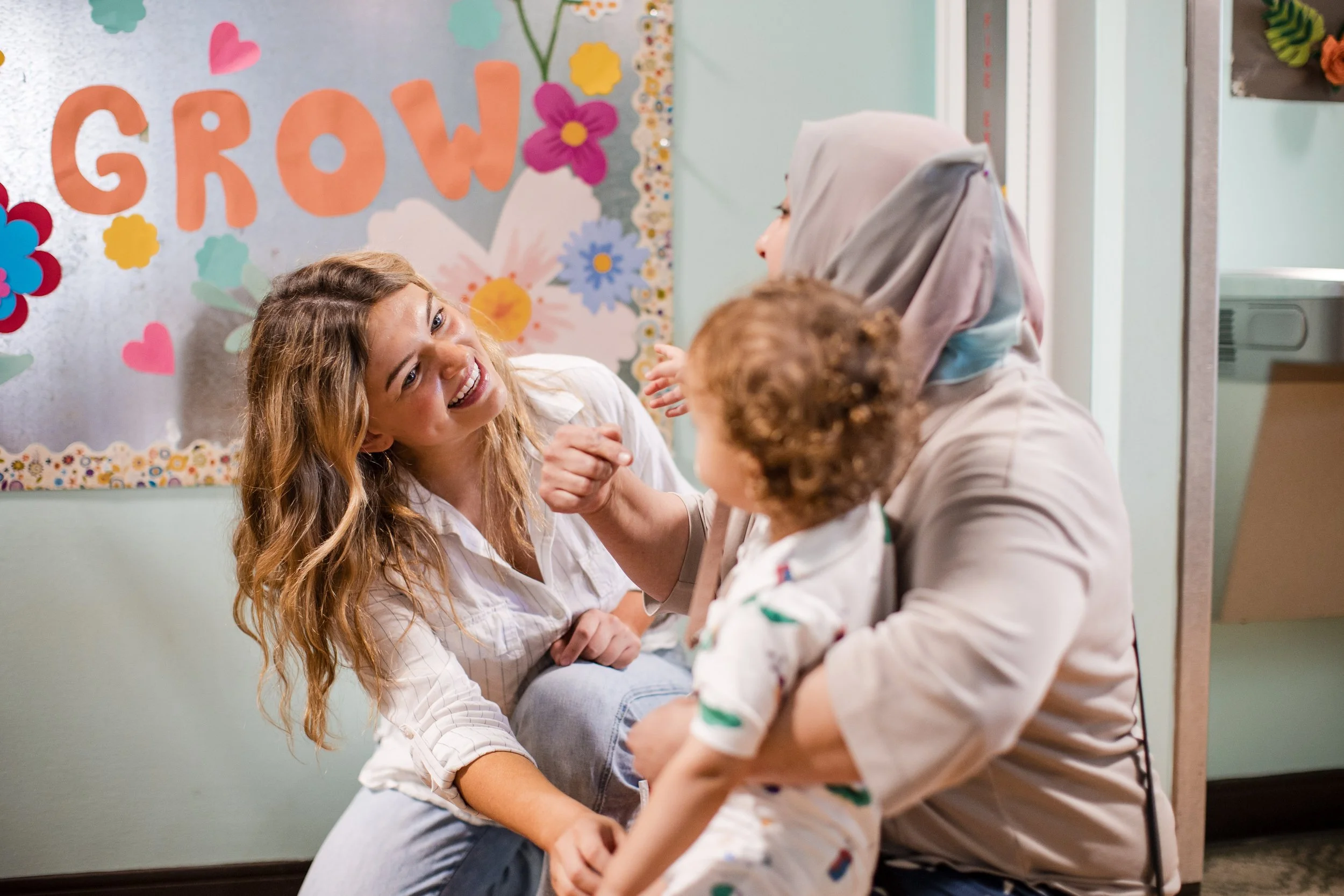
Notice and name effort:
“You stayed with that puzzle!”
“I saw you try again when it felt tricky.”
These moments reinforce that focus is something children practice, not something they either have or don’t have.
A Tool That Encourages Ownership and Confidence 🌱
Thank you for reading this content. And if you loved this post, please be sure to join our Parent Advisor Facebook group where we share more insights and community.
The FREE My Focus Chart is designed to help preschoolers take ownership of paying attention in a positive, visual way.
Children:
Set a daily focus goal
Track focused minutes by coloring or filling in spaces
Celebrate completion with a simple reward like free play
Over time, focus goals can grow along with the child’s skills — supporting independence without pressure.
Supporting Focus Within the Bigger Preschool Picture
Focus challenges don’t exist in isolation. They’re influenced by routines, emotions, expectations, and energy levels.
The FREE Preschool Pathfinder helps families and educators step back and identify what their preschool experience needs most right now — whether that’s structure, flexibility, emotional support, or readiness skills.
With clarity comes confidence, and with confidence comes calmer, more focused days.

Hello there, dedicated Preschool Chaos Coordinators!
Ready to discover your preschool’s true focus? This tool guides you to understand whether your efforts should enrich childhood experiences or prepare children for academic success.
Calm Focus Builds Strong Foundations
When preschoolers feel supported, capable, and encouraged, focus develops naturally over time.
Small, intentional strategies — paired with tools that make progress visible — help children build attention skills that support learning now and into the future.
💛 Ready to support calm, confident focus in your preschool day? Start with the FREE My Focus Chart and explore the Preschool Pathfinder to create a learning experience that truly works for your child.
Visit our Parent Advisor and The Buzz Blogs to learn more about related topics and parenting tips. You are welcome to join our private Parent Advisor Facebook group. It’s a growing community of parents and preschool teachers where you can learn and share more parenting tips.