Keep Preschool Fun and Purposeful All Year with a Simple Learning Plan
February can feel like the long stretch of the preschool year. The excitement of fall routines has faded, holiday magic has passed, and many families find themselves wondering:
“Are we doing enough?”
“Are we doing the right things?”
If your days feel a little random right now, you’re not behind — you’re just missing clarity.
The good news? Preschool doesn’t need more activities. It needs a purposeful learning plan that supports both fun and development.
Why Momentum Matters in Preschool
When preschool learning loses structure, families often fall into one of two traps:
Jumping from activity to activity with no real direction
Pushing academic skills too early out of fear of “falling behind”
Neither approach supports a strong purposeful preschool foundation. Children thrive when learning feels joyful and intentional.
What a Purposeful Preschool Learning Plan Really Is
A preschool learning plan isn’t about rigid schedules or checklists. It’s about:
Knowing what matters most right now
Creating gentle routines that support learning, play, and rest
Offering activities that connect to developmental goals
Purpose brings peace. And peace makes learning stick.
4 Simple Ways to Keep Preschool Learning Fun and Purposeful

1. Start With One Clear Goal
Instead of trying to “do it all,” choose one focus:
Building independence
Strengthening social skills
Exploring early literacy through play
A single goal gives your days direction without pressure.
👉 Content Upgrade Tip: Use the My Goals Worksheet to clarify what you want this season of preschool to look like.

2. Create Flexible Routines (Not Rigid Schedules)
Preschoolers need predictability, but not perfection. Anchor your day with simple rhythms:
Morning connection
Play-based learning
Outdoor movement
Rest or quiet time
Routines help children feel safe — and safety fuels curiosity.
3. Let Play Do the Teaching
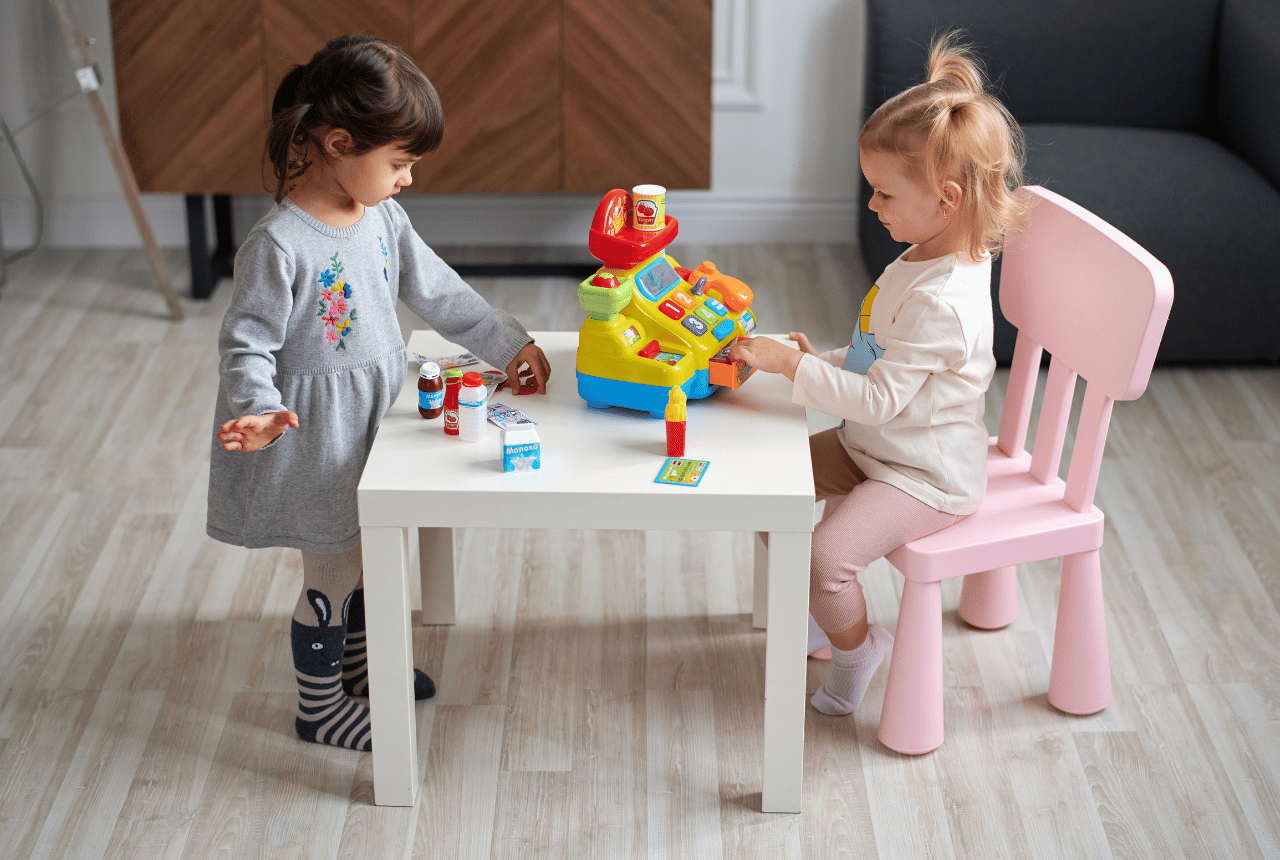
Purposeful preschool doesn’t mean worksheets. It means:
Building skills through games
Encouraging problem-solving during play
Using everyday moments as learning opportunities
When learning feels fun, children stay engaged longer.

4. Check In and Adjust
Your preschool plan should evolve. What worked in September may not fit in February — and that’s okay.
Ask yourself:
What feels easy right now?
What feels heavy?
What does my child need more of?
Free Resource 🌱
Thank you for reading this content. And if you loved this post, please be sure to join our Parent Advisor Facebook group where we share more insights and community.
Download the FREE My Goals Worksheet to help you choose one clear focus for your child so learning stays joyful, intentional, and stress-free all year.
When You’re Unsure What to Focus On
If you’re torn between creating meaningful memories or preparing for kindergarten, you’re not alone.
That’s exactly why the Preschool Pathfinder exists — to help families and educators uncover their most important focus right now and build a learning plan that fits their real life.

Hello there, dedicated Preschool Chaos Coordinators!
Ready to discover your preschool’s true focus? This tool guides you to understand whether your efforts should enrich childhood experiences or prepare children for academic success.
Ready to bring clarity back to your preschool days?
👉 Download the Preschool Pathfinder and discover your intentional path forward — without overwhelm.
Visit our Parent Advisor and The Buzz Blogs to learn more about related topics and parenting tips. You are welcome to join our private Parent Advisor Facebook group. It’s a growing community of parents and preschool teachers where you can learn and share more parenting tips.