
Calm Classrooms, Calm Homes: Resetting Routines During Spring Fever
In the early childhood world, we have something called Spring Fever that tends to show up somewhere between spring break and summer.
The weather warms.
Energy rises.
Focus disappears.
Preschoolers who were once cooperative suddenly struggle to sit, listen, or transition.
Families feel it.
Teachers feel it.
Caregivers feel it.
This is the preschool spring fever.
And it’s completely normal.
But that doesn’t mean you have to surrender to the chaos.
Why Spring Fever Happens
Preschoolers are sensory-driven.
Longer daylight hours, more outdoor stimulation, schedule changes, and anticipation of summer all impact their nervous systems.
When stimulation increases, regulation decreases.
That’s when we see:
Shorter attention spans
Increased silliness
More emotional outbursts
Resistance to transitions
“Forgetting” expectations
It’s not defiance.
It’s dysregulation.
And the solution isn’t stricter discipline.
It’s a routine reset.

Step 1: Reestablish Predictable Structure
Children crave rhythm — even when they resist it.
When routines become inconsistent, anxiety rises.
When anxiety rises, behavior escalates.
A preschool routine reset doesn’t mean rigid scheduling.
It means restoring predictable anchors in the day.
For families at home, that might look like:
Consistent wake-up time
Morning connection ritual
Defined learning/play block
Outdoor movement
Wind-down routine
For teachers and caregivers:
Clear arrival expectations
Visual schedules
Consistent transition cues
Repeated daily rhythm
Predictability builds security.
Security builds cooperation.
Step 2: Increase Purposeful Movement
Spring energy is real.
Instead of fighting it, plan for it.
Build intentional movement blocks into your day:
Obstacle courses
Dance breaks
Yoga stretches
Nature walks
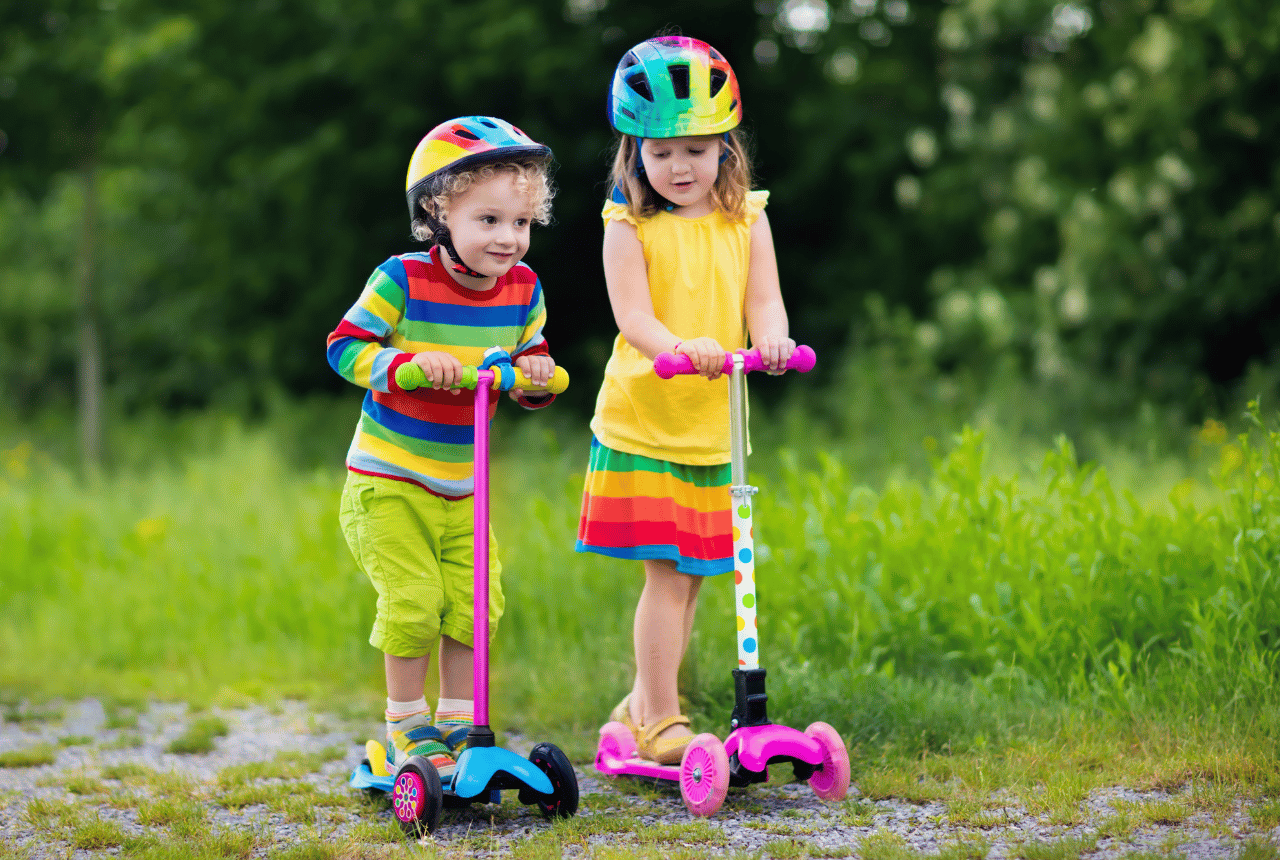
Scooter or trike races
Movement resets the nervous system.
Trying to increase focus without increasing movement is like trying to calm waves without addressing the wind.

Step 3: Tighten Transitions
During spring fever, transitions become flashpoints.
Instead of:
“Clean up time!”
Try:
Countdown warnings (“5 more minutes…”)
Visual timers
Transition songs
Clear first-then language
Structure reduces surprise.
And fewer surprises mean fewer meltdowns.

Step 4: Gently Revisit Expectations
Sometimes what looks like behavior regression is simply drift.
Expectations loosened.
Boundaries blurred.
Consistency faded.
Take a day to reset.
Review:
Listening expectations
Clean-up routines
Kindness rules
Bathroom independence
Voice levels
Not with lectures.
With practice.
Spring is a wonderful time to reinforce independence skills — which are key for kindergarten readiness later on.
Why This Matters for Kindergarten Readiness
When spring hits, many families start thinking ahead.
“Are they ready?”
Readiness isn’t just letters and numbers.
It’s:
Emotional regulation
Following routines
Managing transitions
Self-help skills
Focus stamina
These skills are strengthened through consistent structure.
Inside the Chaos Coordinator Challenge, happening in April, we walk families and caregivers through building independence and self-regulation alongside academic foundations, because confidence grows inside predictable systems.
If You’re Feeling Overwhelmed…
Sometimes the chaos isn’t about spring.
It’s about uncertainty.
If you’re not sure which area needs the most attention — routines, emotional regulation, independence, or academics — start with the Preschool Pathfinder.
It helps you identify your most important Preschool Booster so you can focus your energy instead of trying to fix everything at once.
Clarity reduces chaos.

Hello there, dedicated Preschool Chaos Coordinators!
Ready to discover your preschool’s true focus? This tool guides you to understand whether your efforts should enrich childhood experiences or prepare children for academic success.
Free Resource 🌱
Thank you for reading this content. And if you loved this post, please be sure to join our Parent Advisor Facebook group, where we share more insights and community.
If your days feel scattered, we’ve made this simple.
Download our Sample Preschool Schedule + Routine Template to:
✔ Reestablish daily rhythm
✔ Create visual consistency
✔ Reduce transition struggles
✔ Support emotional regulation
Whether you're at home or in a classroom, having a plan reduces decision fatigue — for adults and children.
Spring fever is a normal thing.
It just means it’s time for a reset.
Calm homes and calm classrooms don’t happen by accident.
They’re built on rhythm, clarity, and confident leadership.
And you absolutely have that in you.
Visit our Parent Advisor and The Buzz Blogs to learn more about related topics and parenting tips. You are welcome to join our private Parent Advisor Facebook group. It’s a growing community of parents and preschool teachers where you can learn and share more parenting tips.