Spring Into a Positive Learning Environment
By March, something shifts.
The excitement of starting preschool at home may have faded.
Routines feel inconsistent.
Big emotions feel bigger.
And learning? It can start to feel more like pressure than play.
Parents often wonder:
“Why does everything feel harder lately?”
“Why is my child pushing back more?”
“Are we doing enough?”
“Are they ready?”
The real issue usually isn’t the curriculum.
If we look a little deeper, it’s the environment.
When the preschool environment feels unpredictable, tense, or unclear, children struggle emotionally, and that affects their social and cognitive growth too.
A simple reset can change everything.
What a Positive Preschool Learning Environment Really Means
A positive preschool learning environment is not so much about having the trendiest supplies or furniture.
It’s really about creating a space where your child:
✔ Feels emotionally safe
✔ Knows what to expect
✔ Understands boundaries
✔ Feels encouraged
✔ Is free to explore and try
When children feel safe and supported, their brains are free to learn.
That’s where preschool emotional development and academics beautifully meet.
Step 1: Build Emotional Safety First
Before worksheets.
Before skill drills.
Before worrying about kindergarten.
Ask:
Does my child feel safe here?
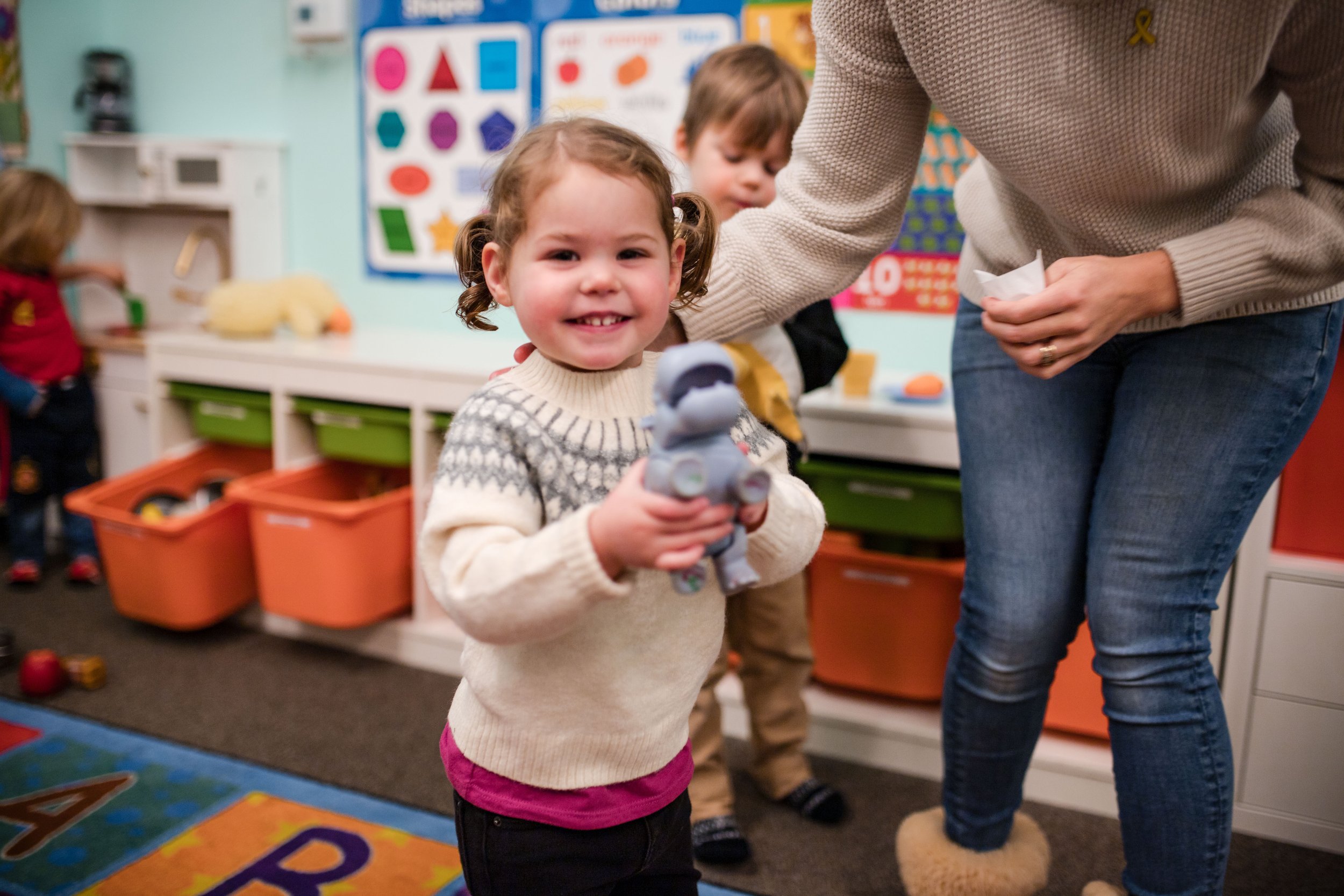
A safe learning environment for preschoolers includes:
Calm responses to mistakes
Predictable daily flow
Clear expectations
Warm connection
When children feel secure, they’re more likely to:
Take risks in learning
Try again after frustration
Engage socially
Build confidence
Emotional safety is the foundation of everything.
Step 2: Reset Your Preschool Environment
Spring is the perfect time to refresh your preschool environment.
Don’t worry, you don’t need to go out and buy MORE materials.
Try this instead:
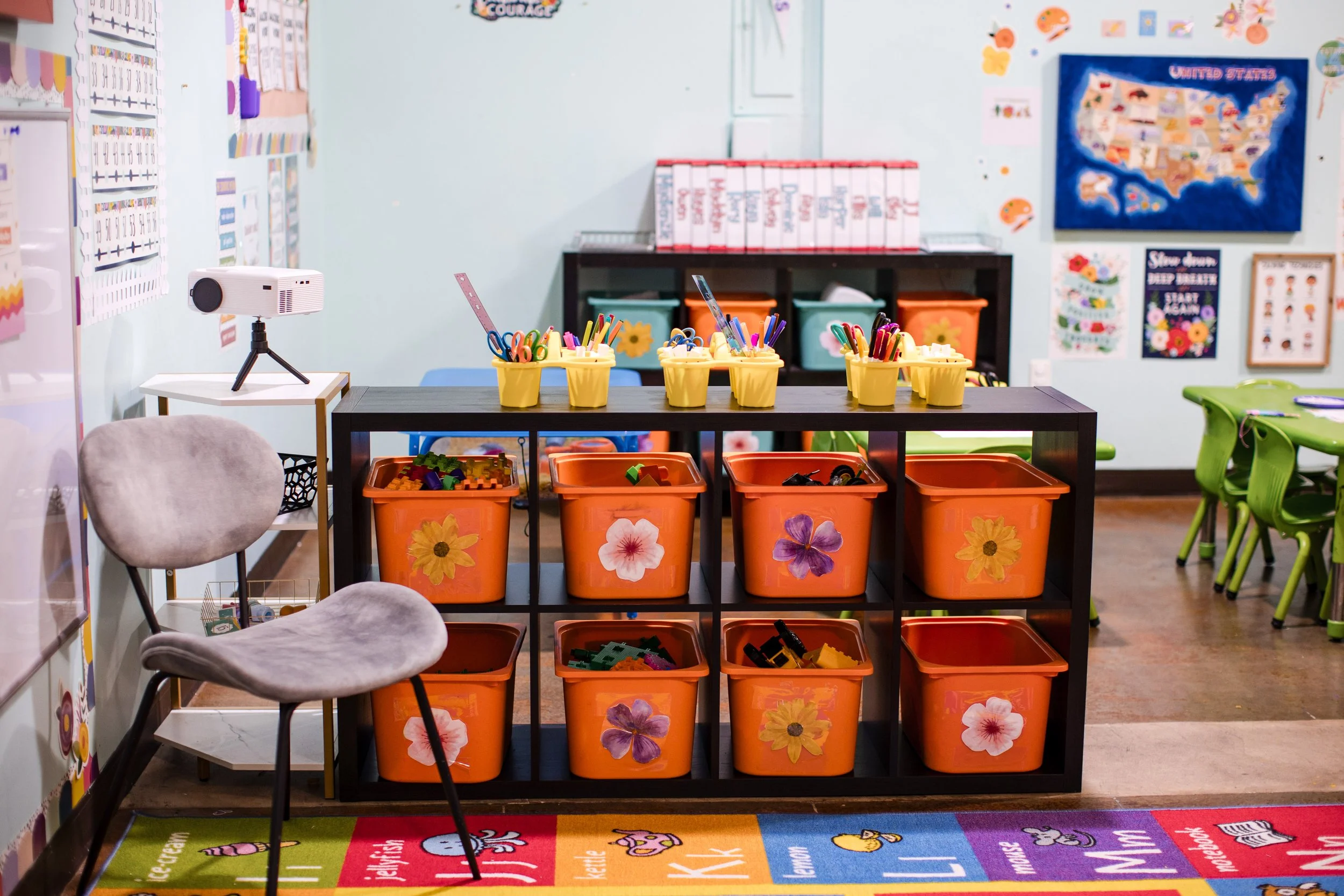
Remove broken or unused toys
Create one defined learning + play space
Keep materials accessible
Add something seasonal (flowers, nature tray, spring art)
When children can see their choices and know where things belong, independence increases, and behavior improves naturally.
Environment shapes behavior more than we realize.
Step 3: Reestablish Preschool Routines
If your days feel chaotic, routines have likely loosened.
And that’s normal.
Preschool routines provide emotional security. They reduce anxiety and limit power struggles.
Simple rhythm might look like:
Morning connection
Focused learning/play block
Outdoor movement
Rest/reset
Afternoon creative play
You don’t need a rigid schedule, just a predictable flow.
Consistency builds confidence.
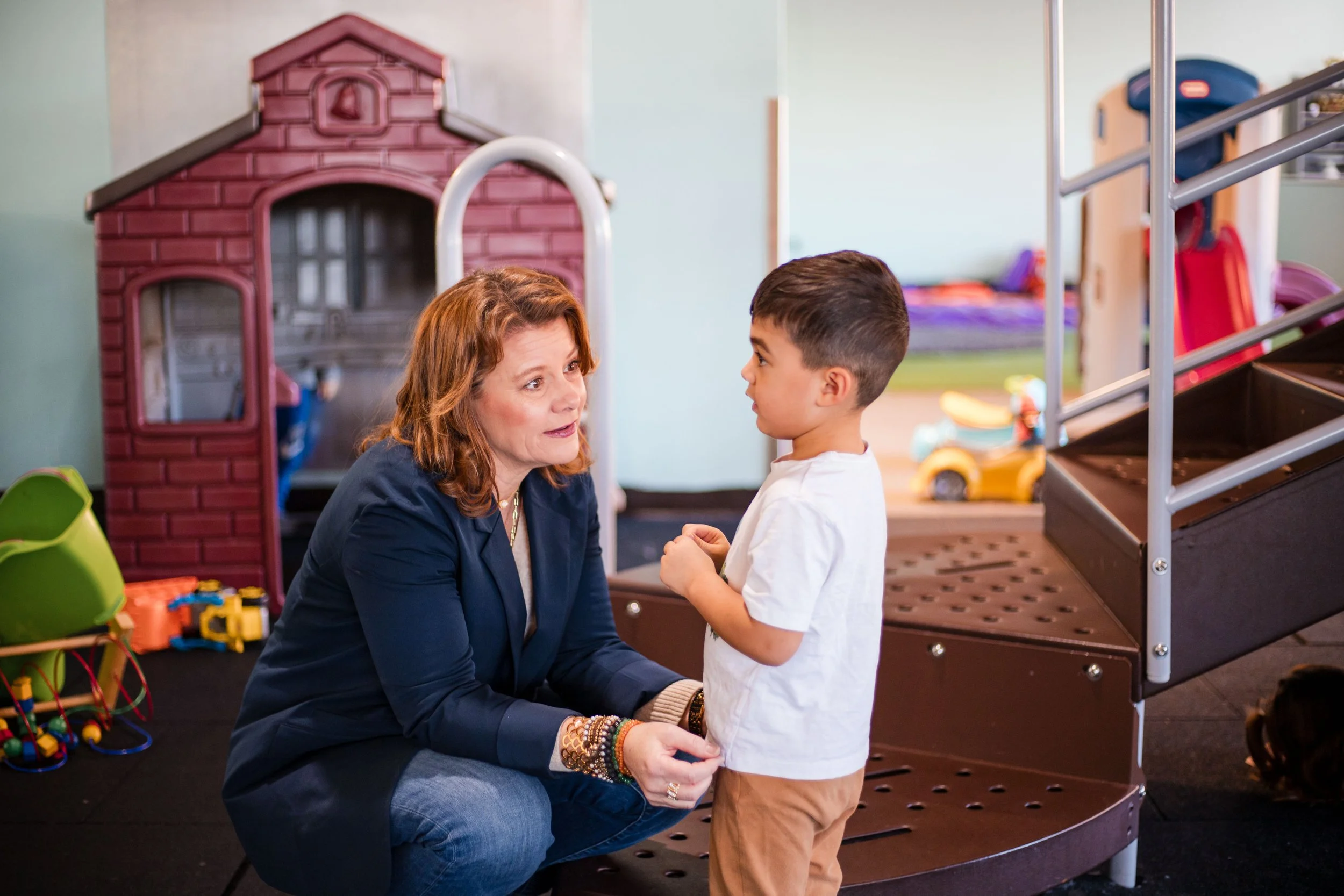
Step 4: Focus on Encouragement Over Correction
In a positive preschool learning environment, encouragement fuels growth.
Instead of:
“Stop doing that.”
Try:
“I noticed you tried again.”
“You worked hard on that.”
“Thank you for remembering.”
Positive reinforcement strengthens:
Emotional regulation
Cooperation
Self-confidence
And it teaches children what to repeat.
(We’ll actually go deeper into positive reinforcement tools during our Chaos Coordinator Challenge happening in April, because managing behavior with confidence changes the entire home dynamic.)
Why This Matters for Kindergarten Readiness
Many families focus only on letters and numbers this time of year.
But kindergarten teachers consistently tell us:
Children need confidence.
Children need independence.
Children need emotional regulation.
A safe, structured preschool environment nurtures:
Social skills
Turn-taking
Communication
Self-help independence
Focus and attention
Academics grow best in emotionally secure soil.
That’s your Purposeful Foundation.
If You’re Not Sure Where to Focus…
Sometimes the overwhelm isn’t about doing too little.
It’s about trying to do everything.
If you’re unsure whether your focus should be:
Meaningful memories
Kindergarten readiness
Structure and routines
Or academic skill-building
Start with the Preschool Pathfinder.
It helps you clarify your top Preschool Booster and gives you direction, so you can build a positive learning environment without second-guessing yourself.
Clarity reduces chaos.

Hello there, dedicated Preschool Chaos Coordinators!
Ready to discover your preschool’s true focus? This tool guides you to understand whether your efforts should enrich childhood experiences or prepare children for academic success.
Free Resource 🌱
Thank you for reading this content. And if you loved this post, please be sure to join our Parent Advisor Facebook group, where we share more insights and community.
If you want an easy way to reinforce positive behavior this spring, grab our Positive Punch Cards.
They help your child:
See their progress
Stay motivated
Celebrate small wins
Build responsibility
Use them for:
Morning routines
Cleaning up
Listening the first time
Independent dressing
Kind behavior
When children experience success regularly, their confidence grows quickly.
And confidence transforms the preschool environment.
Visit our Parent Advisor and The Buzz Blogs to learn more about related topics and parenting tips. You are welcome to join our private Parent Advisor Facebook group. It’s a growing community of parents and preschool teachers where you can learn and share more parenting tips.
Related Blogs
Transforming Your Home into a Learning Environment: 5 Steps to Follow
The Best Tips for Creating a Successful Learning Space at Home
Creating Confident Learners: 8 Proven Strategies to Boost Emotional Safety for Preschoolers
The Power of Routine: 10 Ways It Benefits Both Kids and Parents
Fresh Year, Fresh Start: How to Build a Preschool Routine You’ll Actually Keep