Preschool Earth Day Activities That Spark Kindergarten Readiness Skills
Earth Day does not have to mean elaborate crafts or a Pinterest-perfect setup. Some of the most powerful kindergarten readiness learning of the year can happen right outside your door, with nothing more than curiosity and a little time together.
The best preschool learning rarely looks like learning at all.
It looks like a child pressing seeds into soil and asking what they need to grow. It looks like sorting rocks by color into a muffin tin, noticing a worm on the sidewalk and deciding it deserves to be moved to the grass, or carefully rubbing a crayon across a leaf to reveal its hidden texture. These are not filler activities. They are the real work of early childhood development, and Earth Day gives us a natural and beautiful invitation to do more of them.
What makes Earth Day especially valuable from an early childhood perspective is that the skills being built through these outdoor, hands-on experiences are the same ones kindergarten teachers and researchers consistently identify as the strongest predictors of school readiness. Observation. Sorting and measuring. Inquiry. Empathy. Fine motor control. All of it happens naturally when children are outside, engaged, and guided by a present and curious adult.
Here are five activities to try this Earth Day, organized around the five key skill areas most linked to kindergarten readiness.
Why Outdoor, Hands-On Learning Is So Powerful at This Age
Preschoolers are sensory learners. Abstract concepts become meaningful when they are connected to something a child can see, touch, smell, and experience directly. The outdoor world is essentially a fully stocked learning environment that requires no setup and no special materials.
There is also a social-emotional richness to Earth Day themes that is deeply aligned with the preschool years. Stewardship, responsibility, caring for something beyond ourselves, these are not abstract values. They are lived experiences when a child waters a plant, picks up litter on a walk, or tends a small patch of garden. Children who practice empathy and purposeful action in these small, real ways are building the prosocial skills that kindergarten teachers most want to see.
5 Earth Day Activities That Build Kindergarten Readiness
1. Nature Alphabet Hunt (Early Literacy)
The activity: Head outside with a simple alphabet sheet and invite children to find something in nature for each letter. A leaf for L, a rock for R, a dandelion for D. Children can draw, stamp, or place their finds next to the corresponding letter.
The skill: Letter recognition, phonemic awareness, and the early understanding that letters represent sounds and words.
Why it matters: Connecting letters to real-world objects makes literacy feel meaningful rather than abstract. The outdoor context transforms a literacy activity into an adventure.
Example 1:
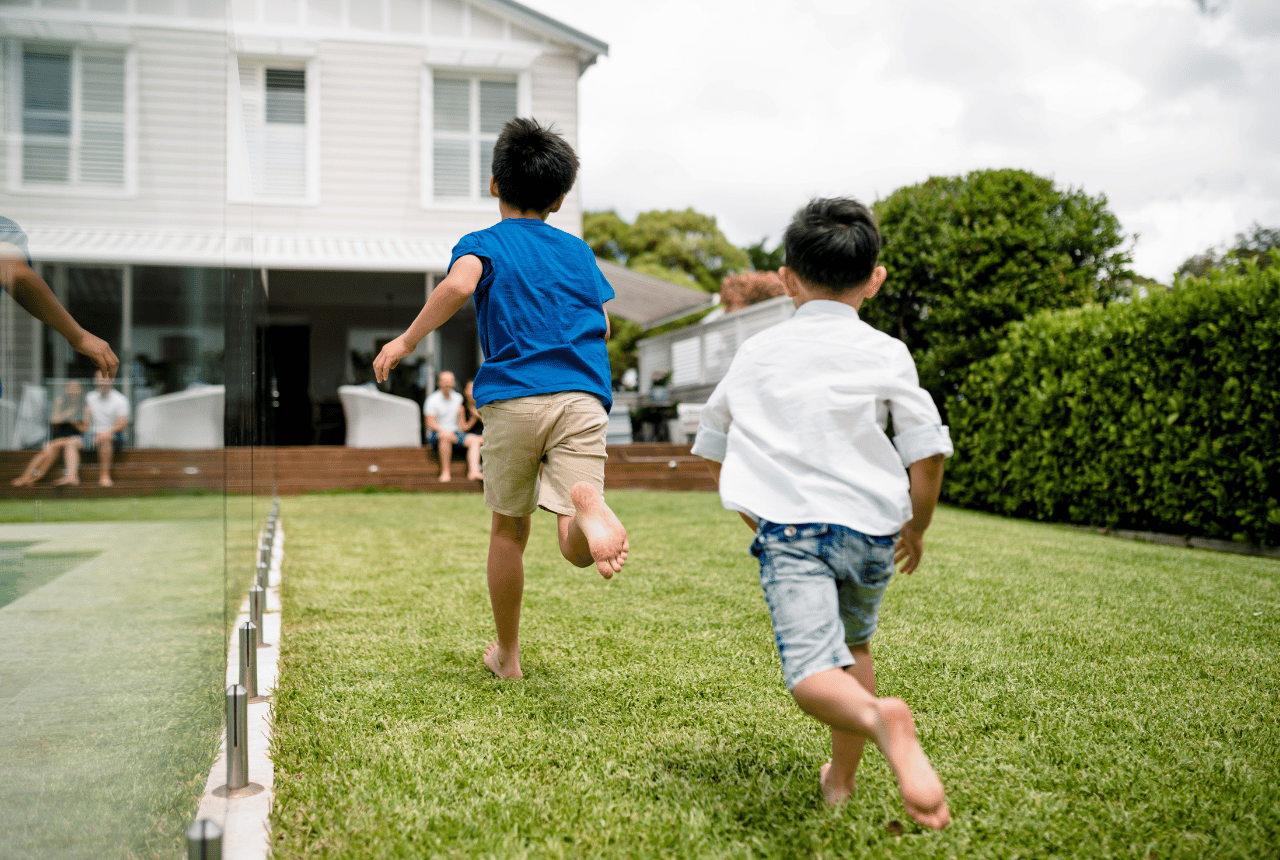
A family does the hunt in their backyard and turns it into a photography game on a tablet. Their daughter spends the evening narrating her findings to her grandmother over a video call, weaving in storytelling and oral language naturally.
Example 2:
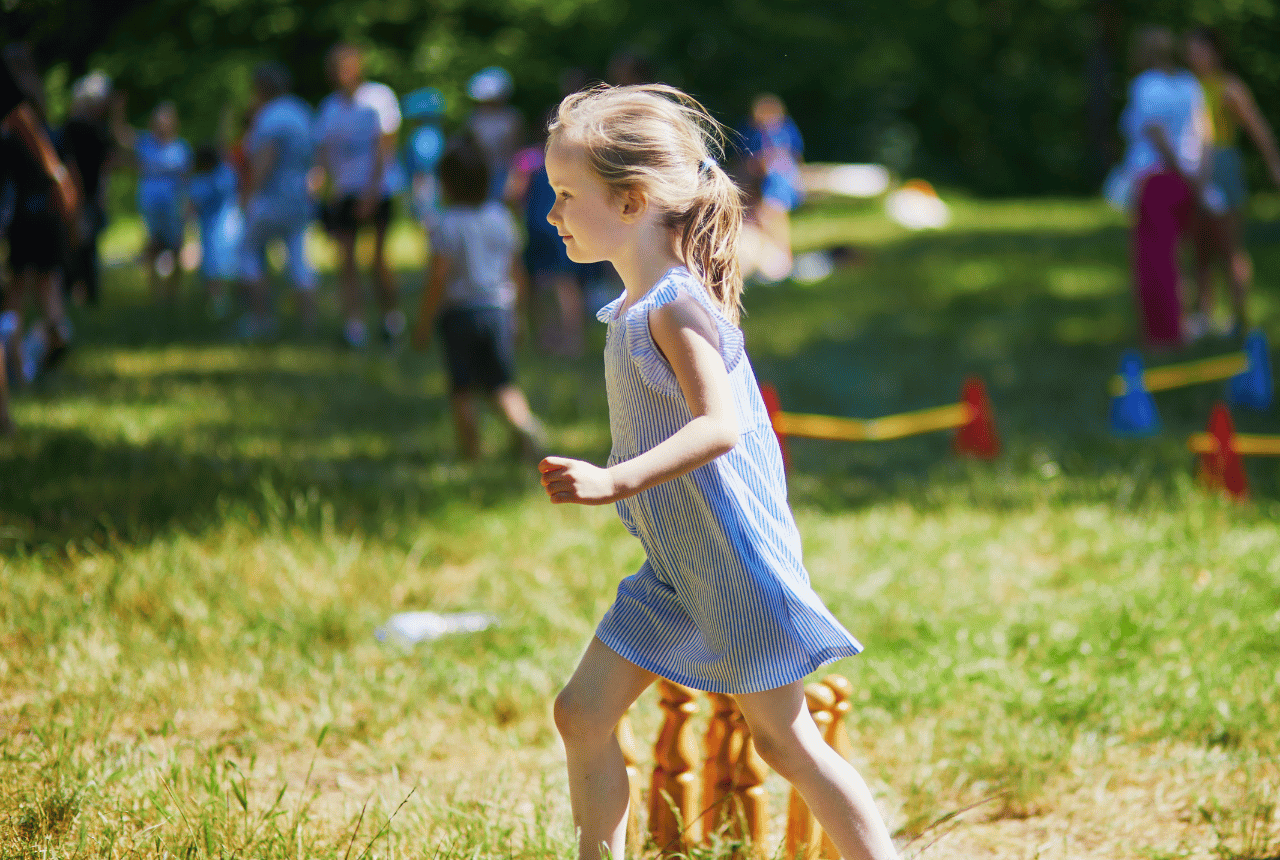
A preschool class takes the hunt on a neighborhood walk. The teacher writes children’s dictated words next to their drawings afterward, giving each child an immediate, personal connection between spoken and written language.
2. Sorting and Measuring with Natural Materials (Early Math)
The activity: Collect rocks, sticks, leaves, pinecones, and flowers and invite children to sort them by size, color, texture, or type. Introduce simple measuring by lining objects up from smallest to largest or using a stick as a unit of measurement.
The skill: Classification, sorting, patterns, measurement, and number sense. These are the core early math concepts covered in kindergarten readiness assessments.
Why it matters: Math at the preschool level is about developing the spatial and logical thinking that numbers are built on. Sorting and measuring with real objects gives children a physical, sensory experience of mathematical relationships.
Example 1:
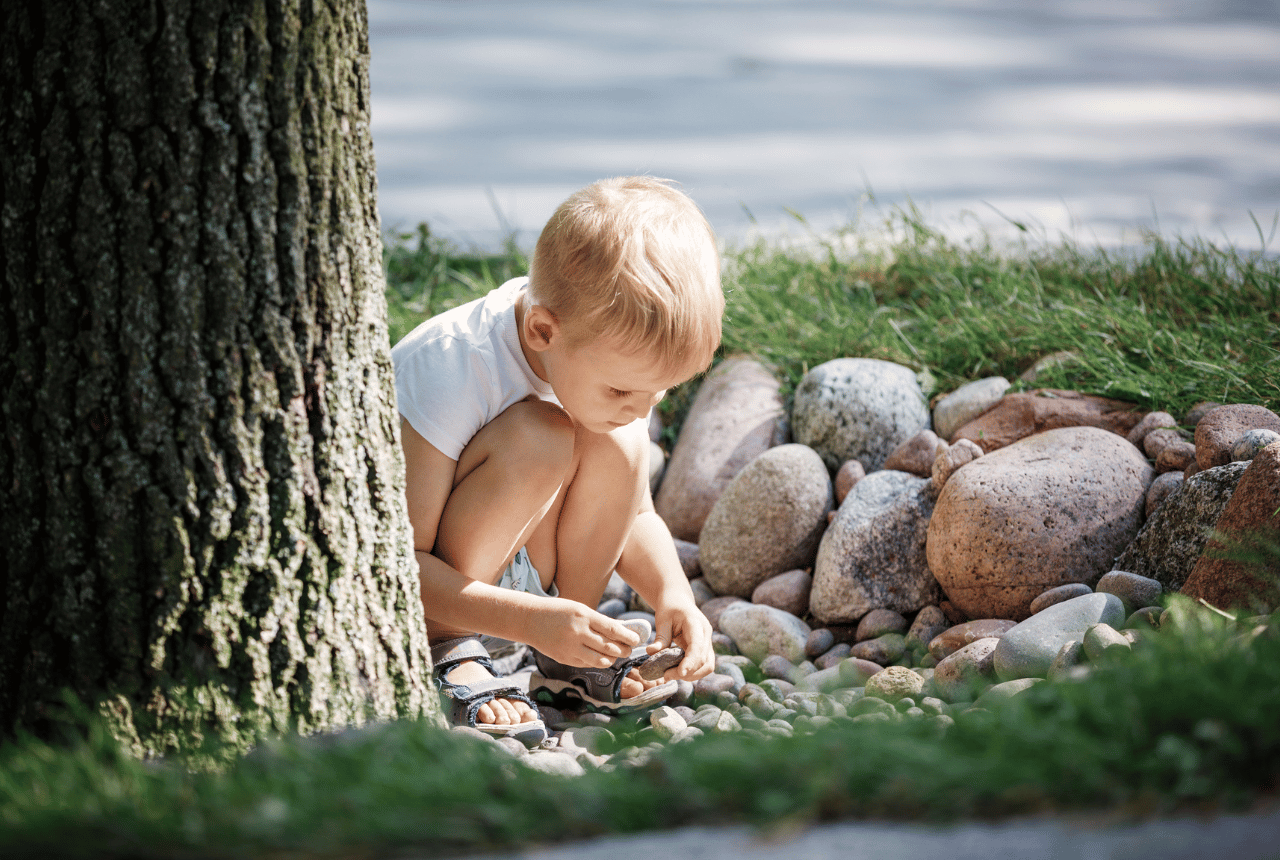
A parent sets out a muffin tin and invites her son to sort rocks by color into each cup. He begins counting how many are in each group and announces which color “won.” A spontaneous math conversation follows.
Example 2:
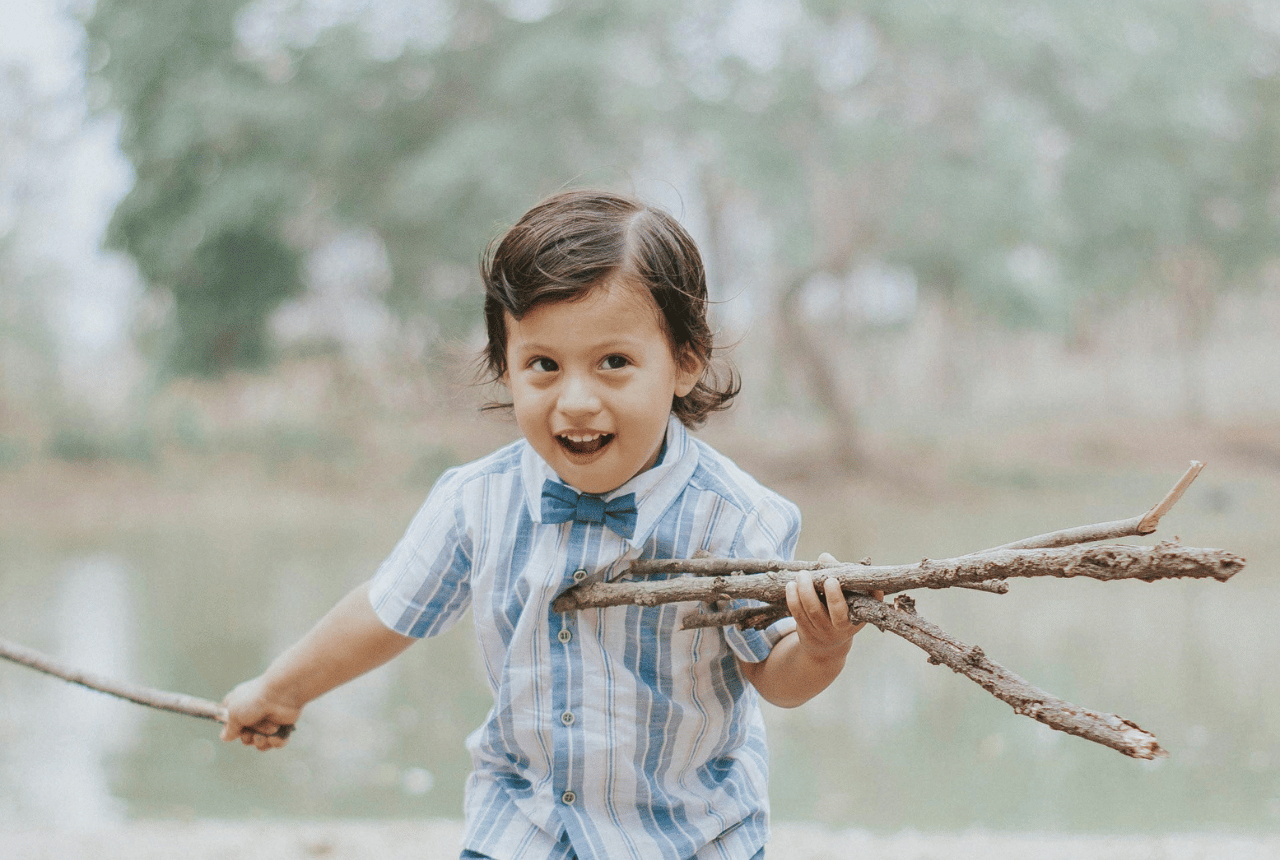
An educator gives each child a stick and asks them to find three things shorter and three things longer. Children begin comparing objects with each other and narrating their reasoning aloud, building both math and language skills simultaneously.
3. Seed Planting and the Wonder of Growing Things (Science and Inquiry)
The activity: Plant seeds together in small pots or a garden patch. Before planting, invite children to make predictions: What do you think this seed needs? What will it look like when it grows? Track changes over time with drawings or photographs.
The skill: Scientific inquiry, observation, prediction, and cause-and-effect reasoning. Making a prediction and watching to see what happens is the foundation of the scientific method.
Why it matters: A child who can ask a question, make a guess, observe carefully, and talk about what they noticed is already thinking like a scientist. Kindergarten teachers consistently name this as one of the skills they most want to see coming in.
Example 1:
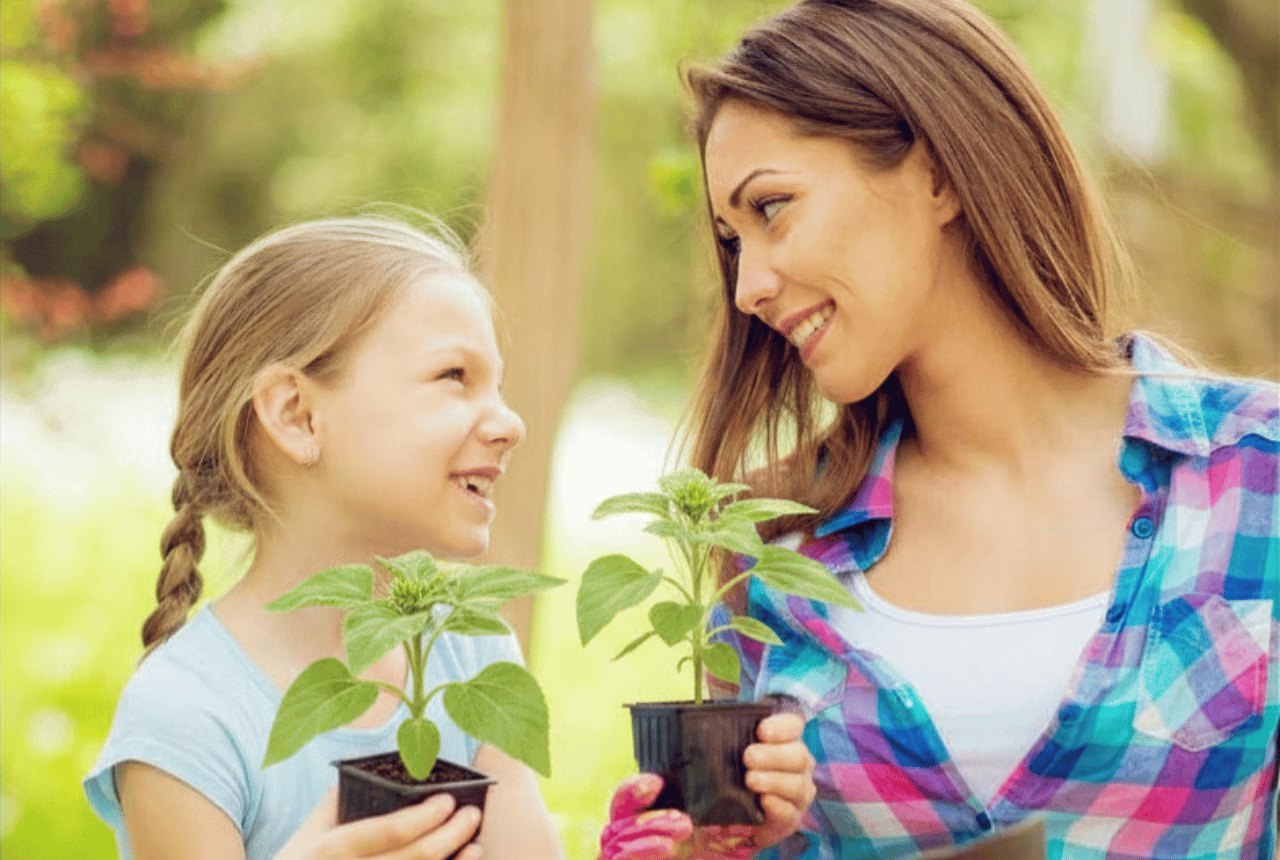
A family plants sunflower seeds in a window box and creates a simple growth journal with drawings. Their daughter checks the pot every morning and begins tracking changes independently, narrating what she sees to anyone nearby.
Example 2:
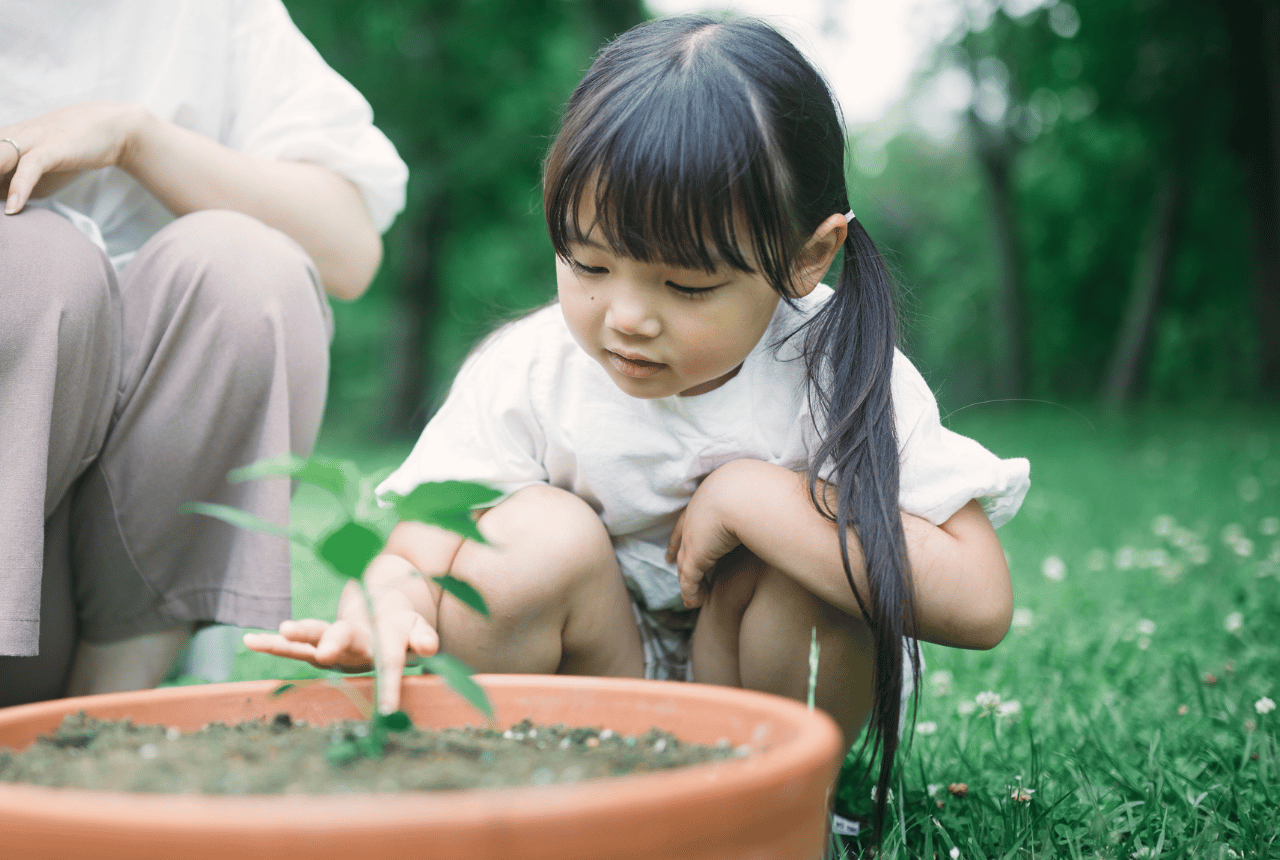
A preschool class plants two identical seeds, one in sunlight and one in a dark corner. Children make predictions about which will grow faster, then compare results over two weeks, revisiting their original guesses with growing delight.
4. Litter Patrol and the Caring Helper Role (Social-Emotional Learning)
The activity: Take a short walk with small bags and gloves and invite children to help clean up litter in your yard, neighborhood, or a local park. Talk about how the earth feels when people care for it, and celebrate the contribution at the end.
The skill: Empathy, civic responsibility, perspective-taking, and the development of a helper identity. These are central SEL goals and among the strongest predictors of kindergarten social success.
Why it matters: Children who develop a sense of themselves as helpers and contributors enter kindergarten with the prosocial skills that support friendship, classroom community, and the ability to navigate group learning environments.
Example 1:
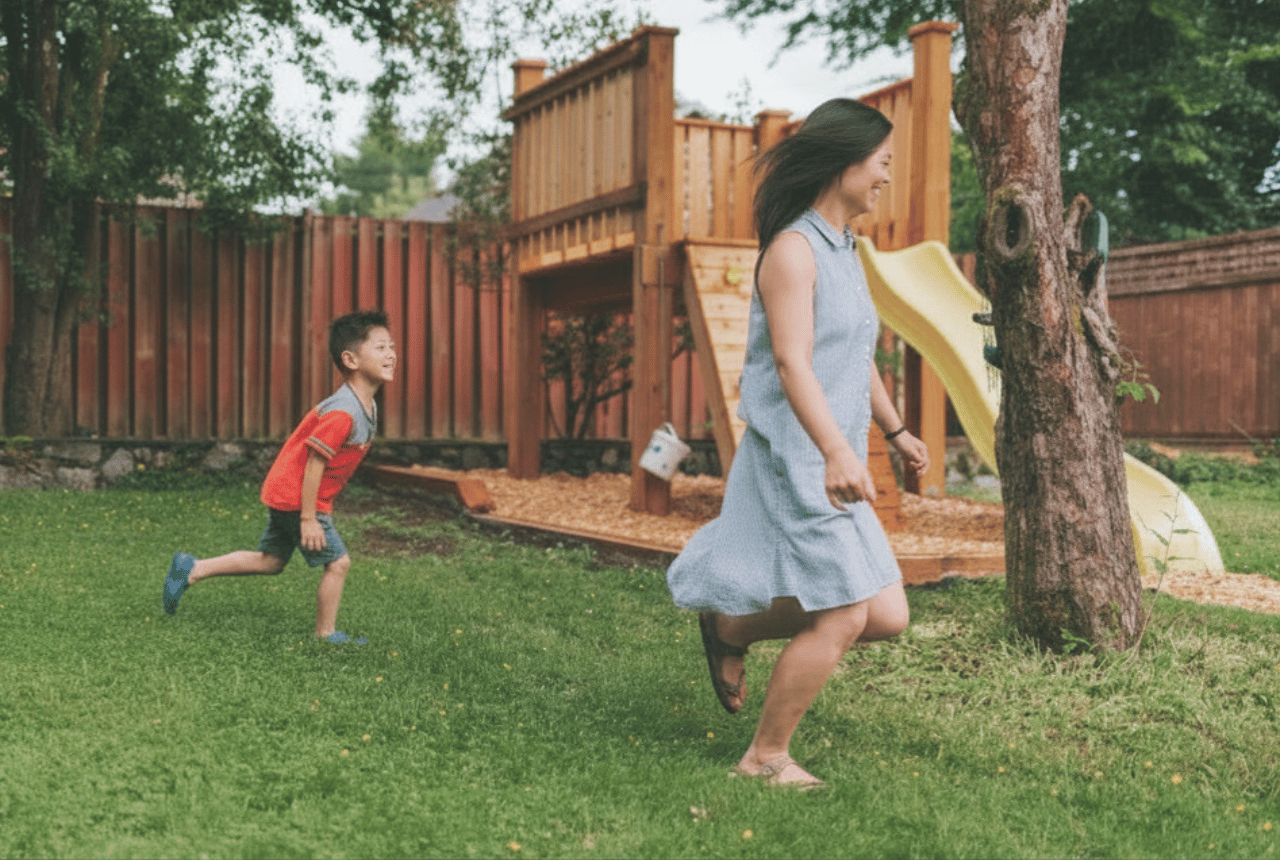
A parent and child do a litter patrol in their front yard. The next day the child asks to do it again. The parent notices her daughter beginning to point out litter on walks and talking about taking care of their neighborhood.
Example 2:
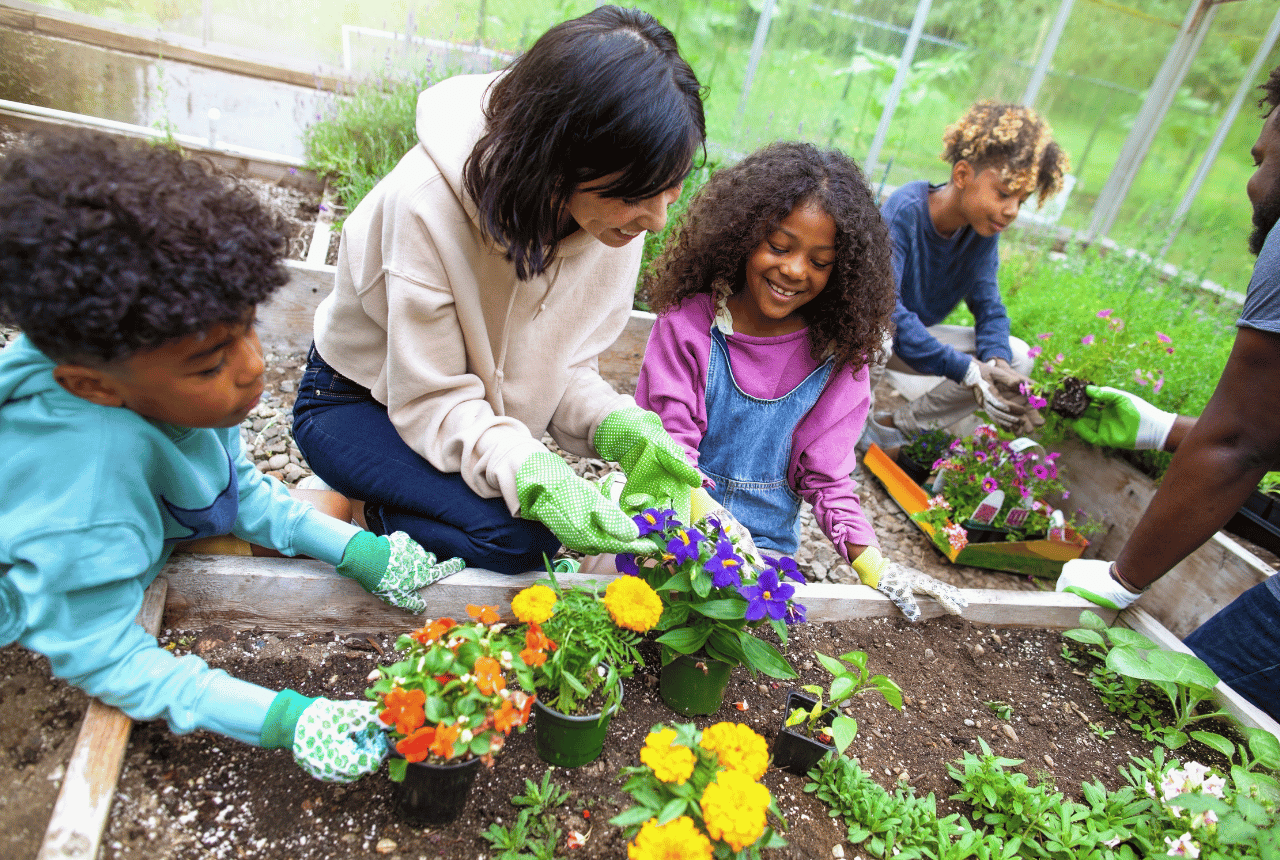
A preschool class adopts a small patch of their school garden and takes turns as the weekly earth steward. Children take the role seriously and remind each other to be gentle with plants and creatures throughout the week.
5. Nature Collage and Leaf Rubbings (Fine Motor Development)
The activity: Collect leaves, flowers, bark, and flat natural materials for a nature collage, or place leaves under paper and rub the side of a crayon over them to reveal their shapes and textures. Both invite careful, intentional hand work.
The skill: Fine motor strength, pencil grip development, hand-eye coordination, and the careful control that underlies early writing.
Why it matters: Writing readiness is about physical control and hand strength as much as letter knowledge. Activities like collage and rubbings build exactly that, in a context that feels creative rather than preparatory.
Example 1:
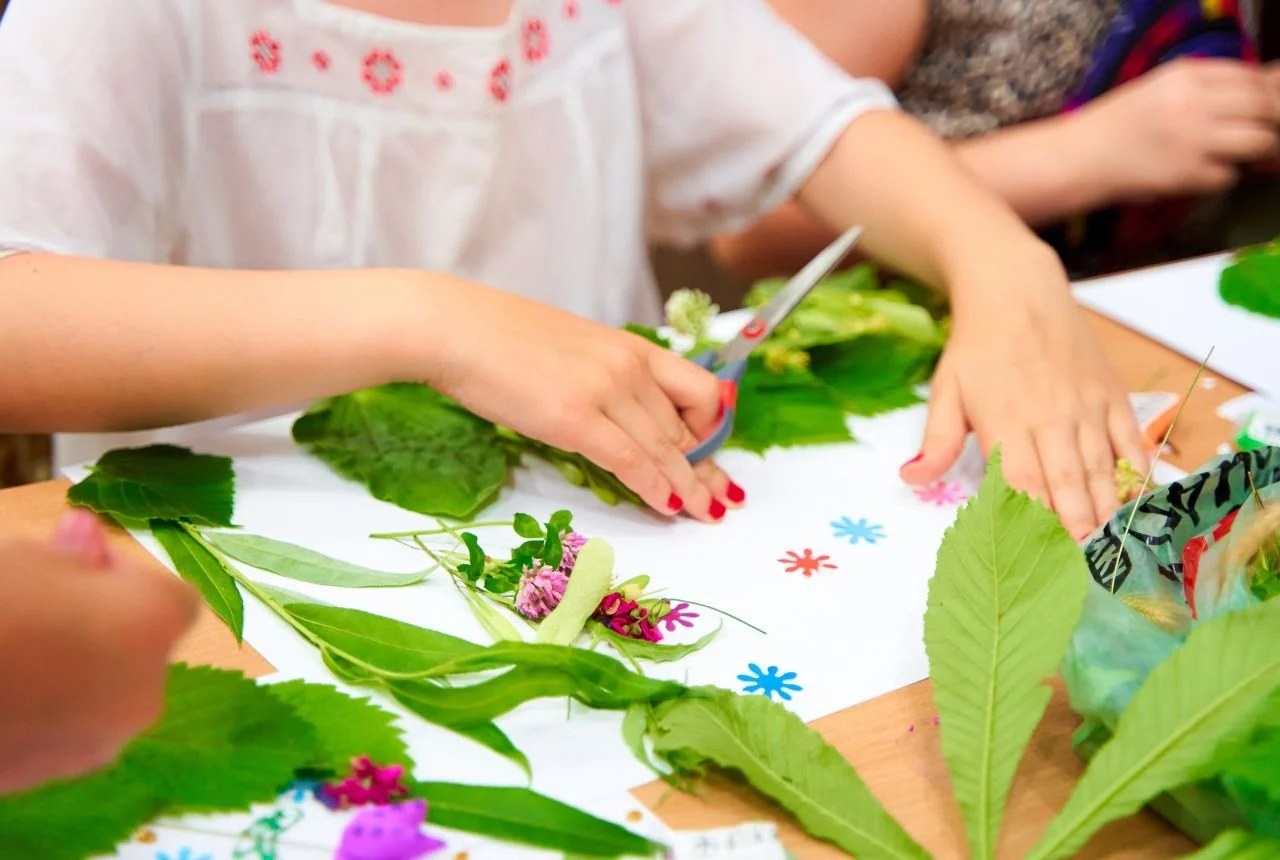
A parent sets out leaves and a tray of glue for a free-form collage. Her son spends forty minutes carefully arranging and pressing his materials, developing focused attention and fine motor precision without realizing it.
Example 2:
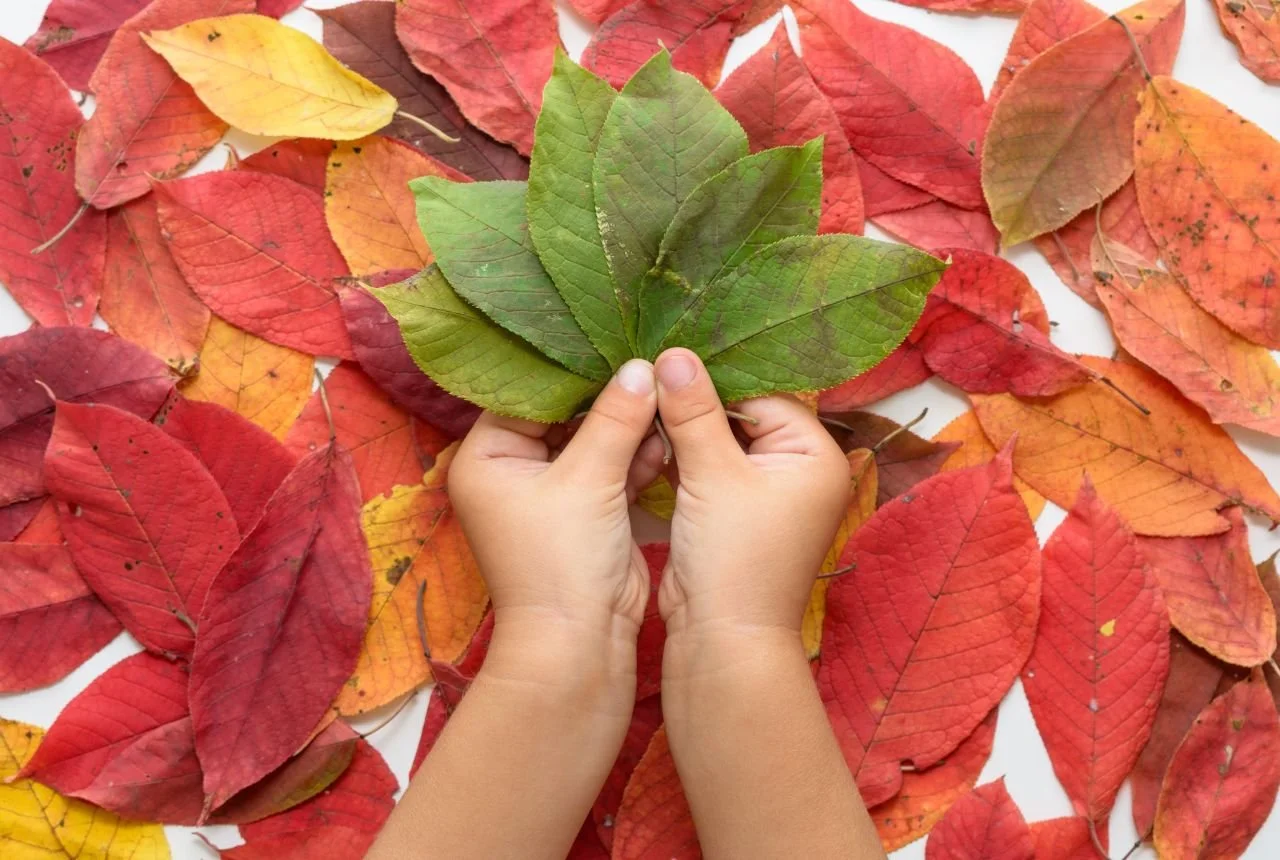
An educator introduces leaf rubbings and invites children to find as many different textures as they can. Children compare their rubbings and narrate observations about what makes each leaf unique, weaving language development naturally into the activity.
Keep It Simple, Keep It Play-Based
None of these activities require a special supply order or an elaborate setup. What they require is your presence, your curiosity alongside theirs, and a willingness to follow where their interest leads.
A child who spends Earth Day outside with a caring adult, exploring, collecting, planting, and wondering, is doing some of the most important learning of their preschool year. The skills are being built whether it looks like school or not. Trust that.
This Is What Summer Can Look Like Too
Here is something worth sitting with: the learning that happens through these Earth Day activities does not stop when April ends. The same curiosity that leads a child to sort rocks and plant seeds and tend a garden is exactly what makes summer such a rich learning season.
Outdoor exploration, hands-on creating, real-world problem solving, and meaningful time with the people they love. These are the ingredients of a summer that builds on everything preschool has been nurturing all year. And the research is clear: children who stay engaged in playful, meaningful learning over the summer arrive at kindergarten significantly more prepared than those who do not.
That is exactly what we designed the Skip the Summer Slide Challenge around. It is coming in May, and we cannot wait to share it with you. If you want to make sure your preschooler arrives at kindergarten ready, confident, and full of wonderful experiences to draw on, this is for you.
Keep This Learning Going All Summer Long
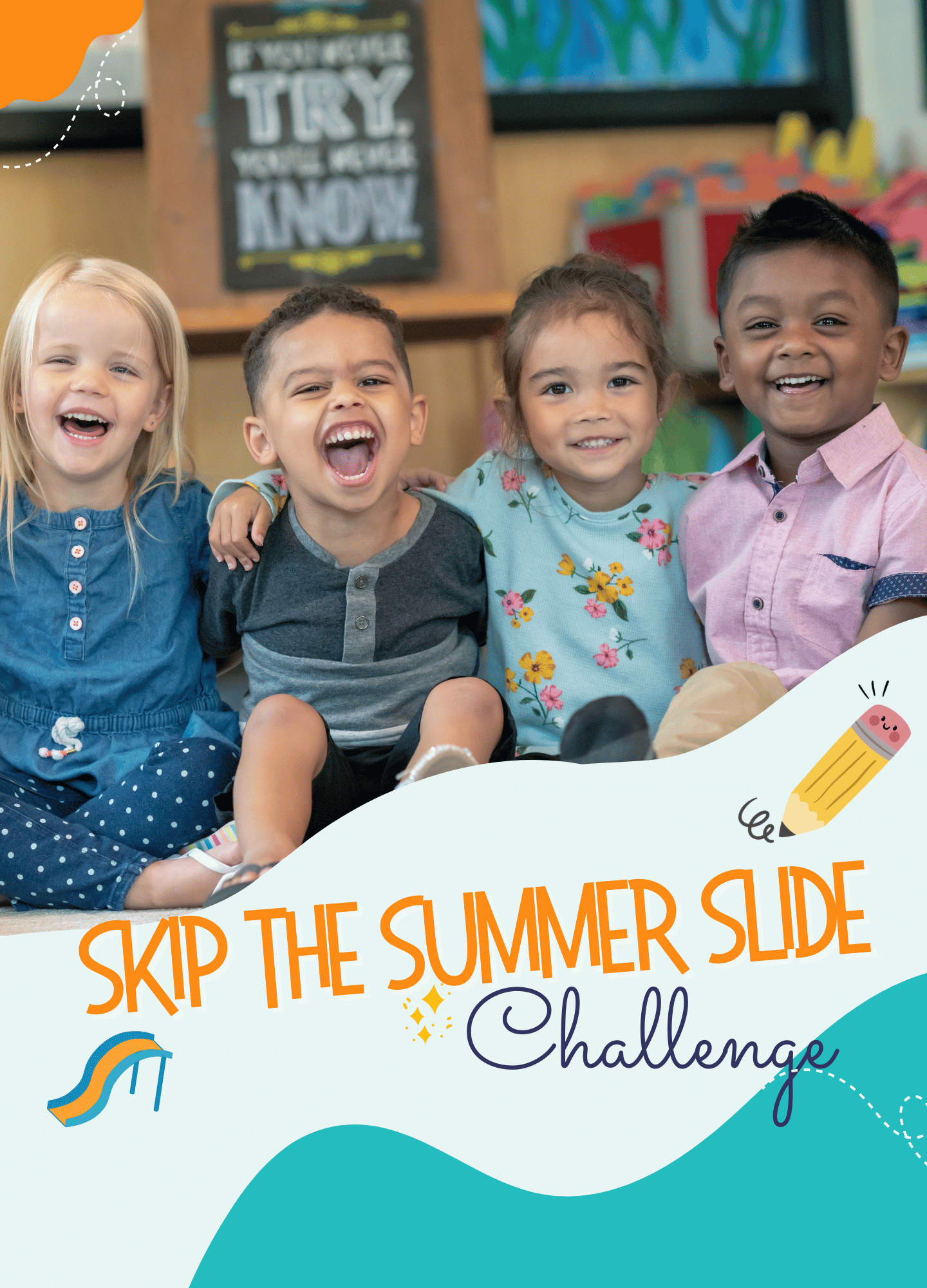
The Skip the Summer Slide Challenge is coming in May from Peake Academy. It is designed to help preschool families keep the playful, meaningful learning of the school year alive all summer long, so children arrive at kindergarten ready, confident, and full of stories to tell. Details are coming soon. Stay close.
Transform Learning into an Adventure
Turn everyday moments into lasting memories while keeping skills sharp.
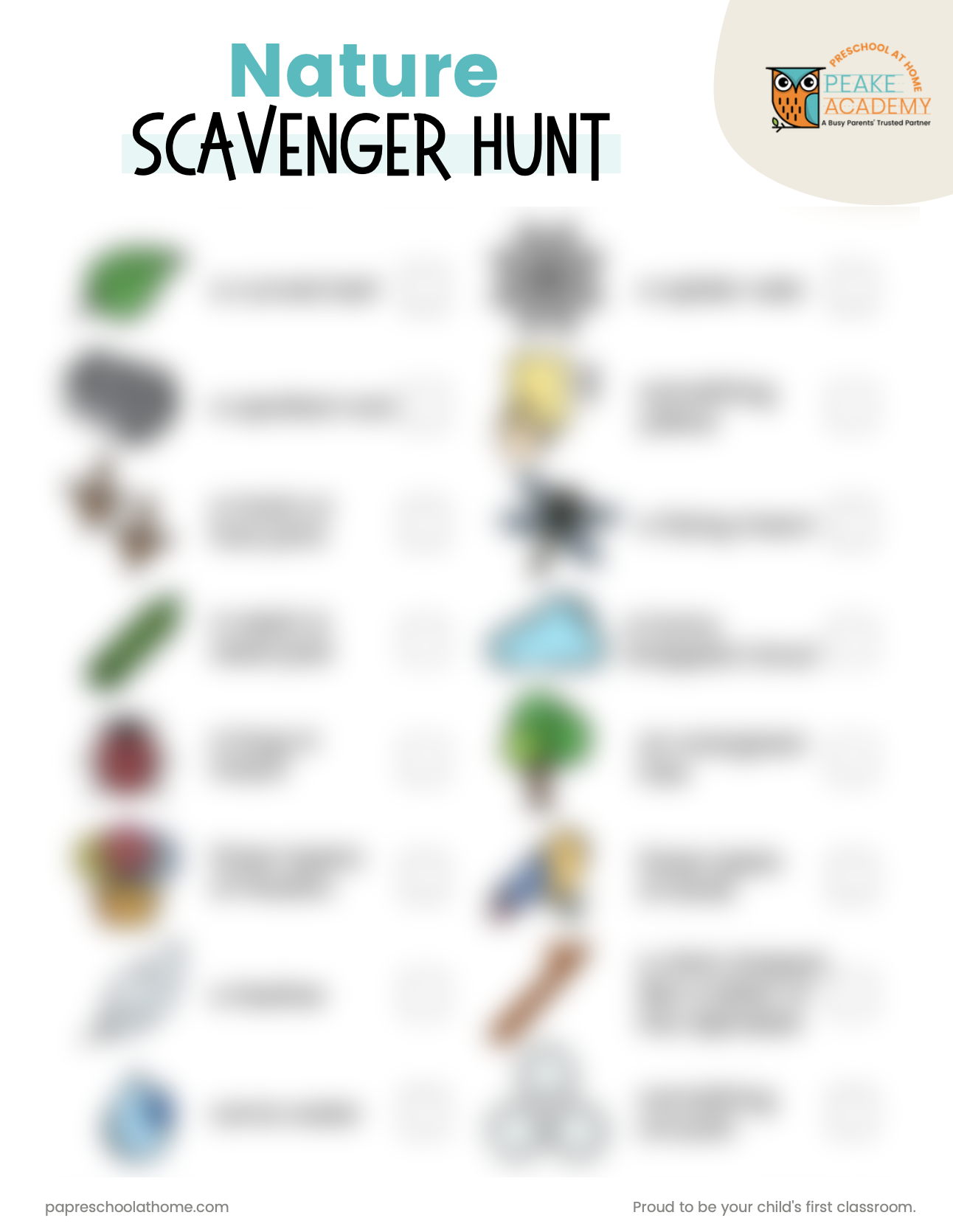
🌱 Grab the Free Nature Scavenger Hunt
We created a free, printable Nature Scavenger Hunt designed specifically for preschoolers. Visual, low-prep, and perfectly paired with a backyard adventure or neighborhood walk. A lovely way to bring this week’s learning to life right away.
Thank you for reading this content. And if you loved this post, please be sure to join our Parent Advisor Facebook group, where we share more insights and community.
Visit our Parent Advisor and The Buzz Blogs to learn more about related topics and parenting tips. You are welcome to join our private Parent Advisor Facebook group. It’s a growing community of parents and preschool teachers where you can learn and share more parenting tips.
Related Blogs
Seed Planting With Preschoolers: A Fun Way to Learn About the Life Cycle
Explore and Learn: 7 Ways to Nurture Your Child’s Love for Discovery Through Nature
Play Your Way to Success: How Play-Based Education Prepares Kids for the Real World
Kindergarten, Here We Come! Prepare your Preschooler with these 10 Essential Skills