
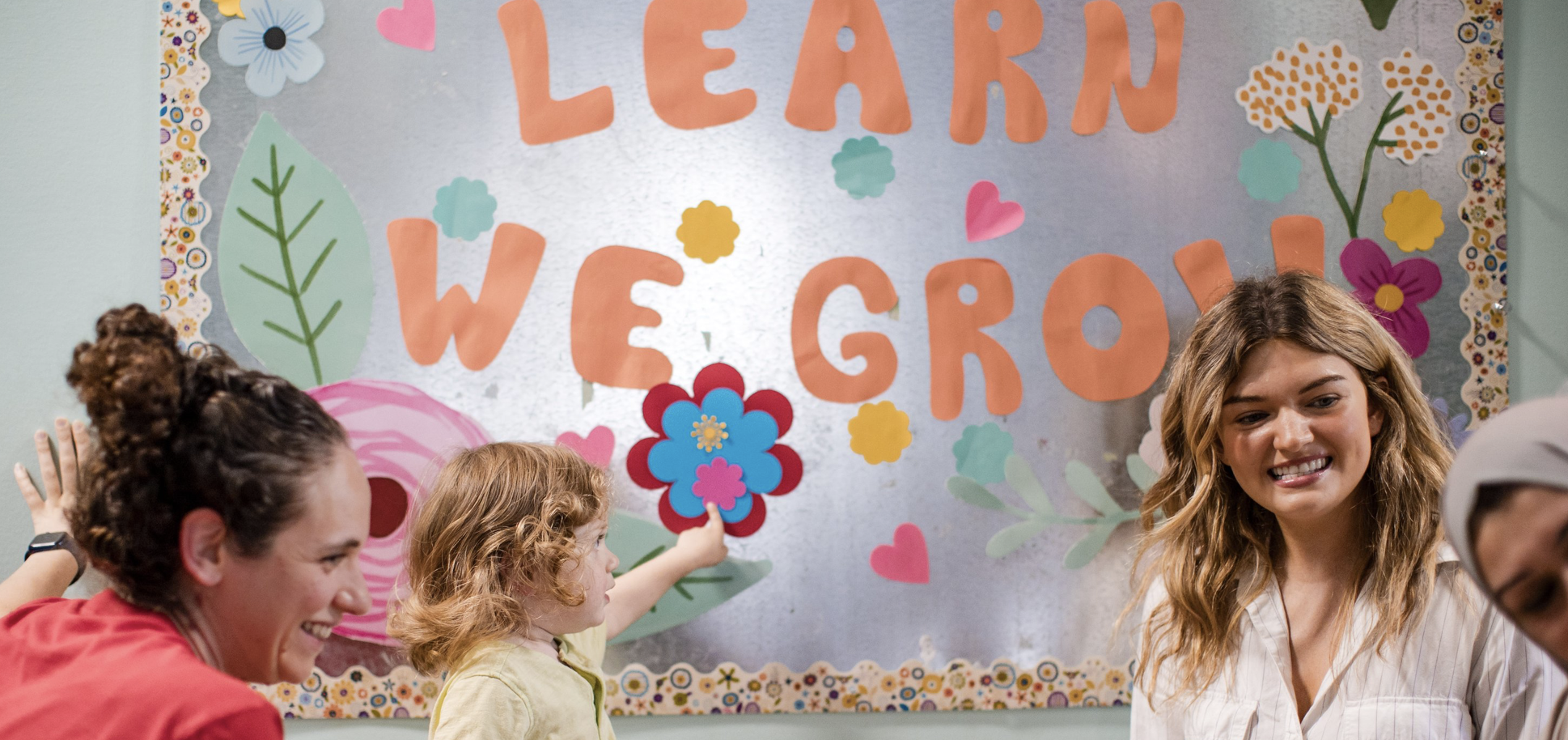
Welcome! We are so glad you’re here.

Your Preschool Planning Reset: Stress Less While Making Meaningful Memories
It’s 9:47 on a Thursday night. The fall celebration is tomorrow morning, and you’re at the kitchen table cutting out construction paper leaves, wondering how it snuck up on you again.
Sound familiar?
Every educator knows this scramble. One holiday ends, the next one appears on the horizon, and the moments meant to feel magical start feeling like one more deadline. Meanwhile, the celebrations families remember for years get squeezed into whatever energy you have left.
Here’s the good news. A simple planning reset can change the whole feel of your year.

Keep the Learning Momentum: 7 Playful Ways to Reinforce Preschool Skills All Fall
You already know the question coming your way this fall. Some version of "is my child on track for kindergarten?" will land in your inbox, at pickup, or in a parent-teacher conference before October's out.
You don't want to hand families a stack of worksheets as proof. Real learning momentum in a preschool room doesn't look like drills. It looks like counting the blocks during cleanup, spotting letters during story time, and building skills so naturally that nobody in the room even realizes a lesson is happening.
Here's how to keep that momentum going, in ways playful enough that the children in your care never clock it as "work."
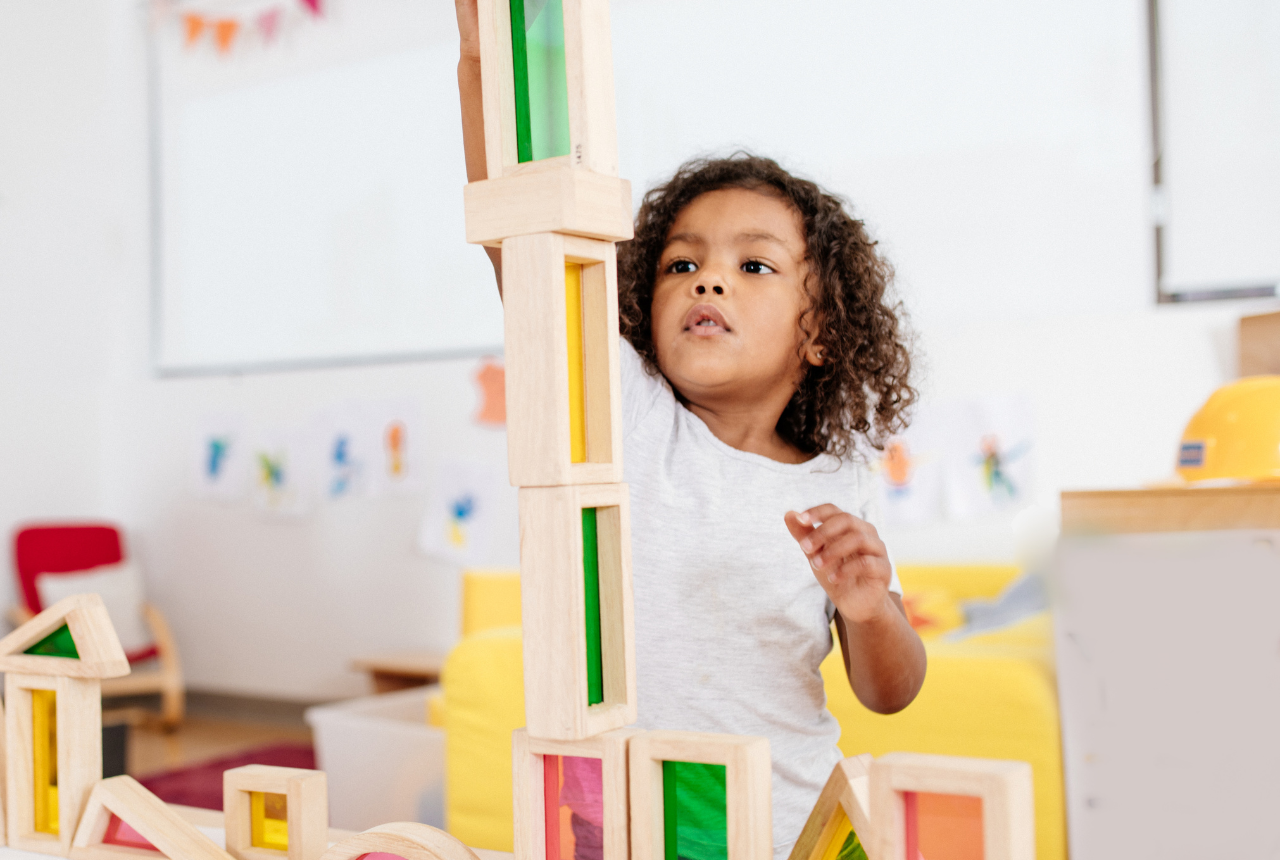
The Power of Choice: 6 Ways to Give Preschoolers Real Independence in Your Program
You want the children in your care to feel capable. Confident. Like they have some real say over their day, instead of being shuffled from one adult-led moment to the next.
Then the worry creeps in. Give preschoolers too much say, and does the room fall apart? Does "choice time" turn into six kids wandering, one meltdown by the sensory bin, and you spending the next twenty minutes wrangling instead of teaching?
Real independence and a calm, well-run room aren't in competition. Built the right way, choice is one of the strongest classroom management tools you have.
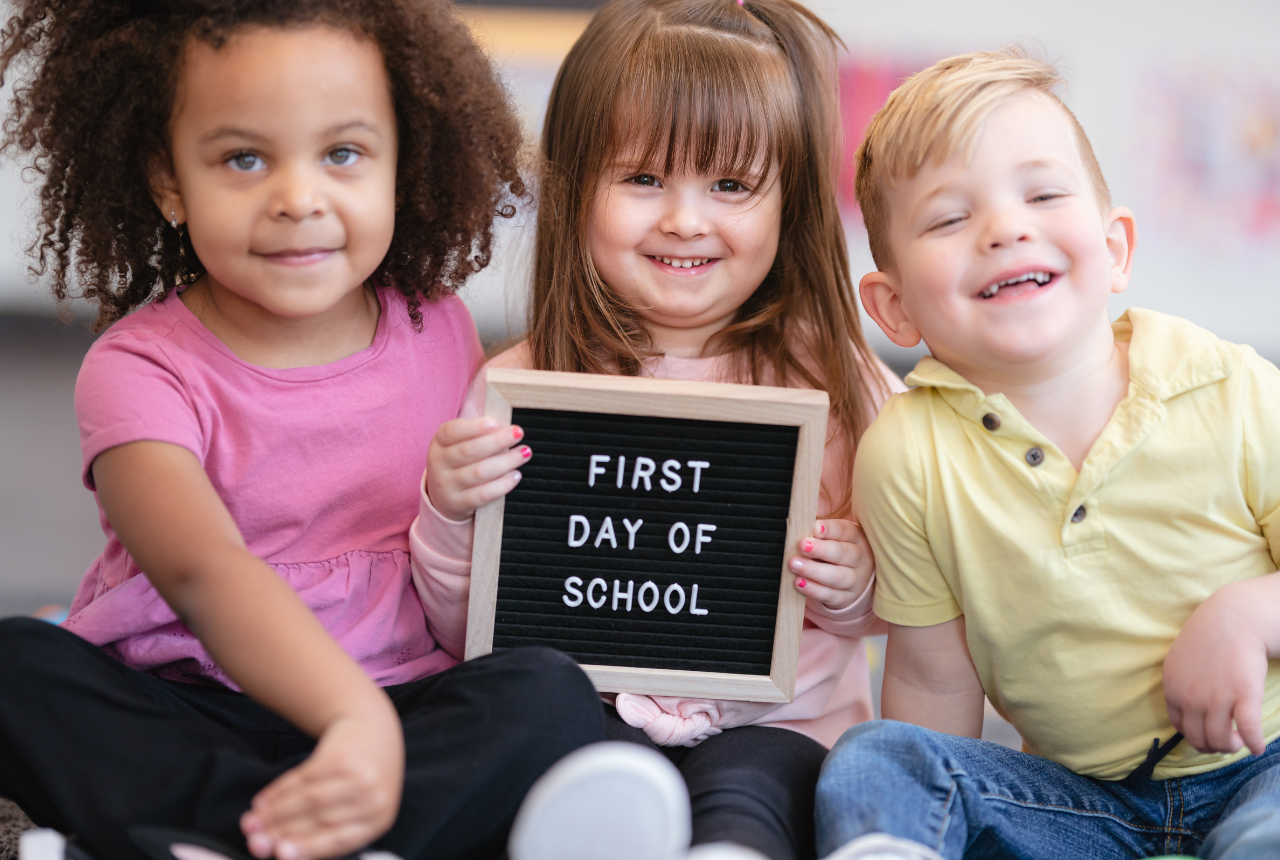
Celebrate the First Week: Simple Rituals to Make Day One Memorable
The first week of a new school year tends to run on logistics. Name tags. Cubby labels. Finalizing rosters. Getting new faces settled into a routine. Somewhere in the middle of all that necessary busywork, it's easy to lose sight of something just as important: this week deserves to feel like a celebration, not just a checklist.

Positive Behavior Strategies That Turn Back-to-School Stress Into Connection
Every experienced educator knows the feeling. A classroom that ran smoothly all summer suddenly feels unpredictable again come August. New routines, new expectations, and a room full of children still adjusting to structure all combine into a recipe for more frequent meltdowns and harder transitions. The teams who navigate this season best aren't the ones who never see challenging behavior. They're the ones who know how to meet it with a plan.
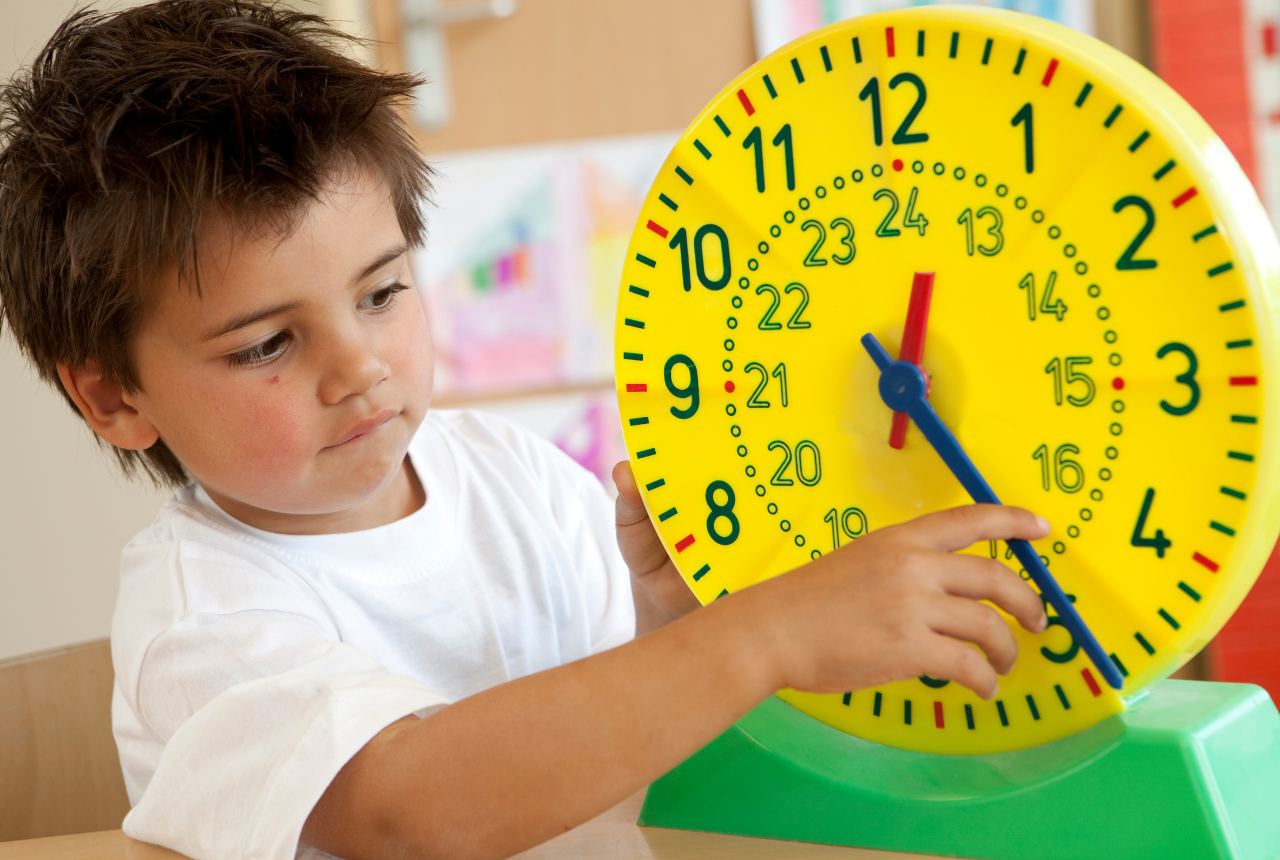
Late-Summer Reset: How to Transition from Relaxed Days to Back-to-School Routines
August has a way of arriving faster than anyone expects. One week your program is running on relaxed summer hours, full of water play and unstructured afternoons. The next, you're staring down a calendar that demands structure, schedules, and a room full of children who have spent two months forgetting what "circle time" even means.
If your classroom feels a little out of rhythm right now, you're in excellent company. Every experienced educator knows this exact friction. The question isn't whether the transition will feel bumpy. It's how quickly you can smooth it out.

Summer Calm: Behavior Management Tips for Travel and Busy Days
Busy summer days and travel bring a special kind of chaos. Different routines, different environments, and a whole lot of stimulation stacked on top of one another.
The good news? A few practical tools, ready before the chaos hits, can turn a rocky travel day into a manageable one for the whole care circle.
Chaos rarely announces itself politely. It shows up mid flight, mid checkout line, mid family reunion, exactly when everyone least expects to handle it gracefully. A little preparation changes that entirely.
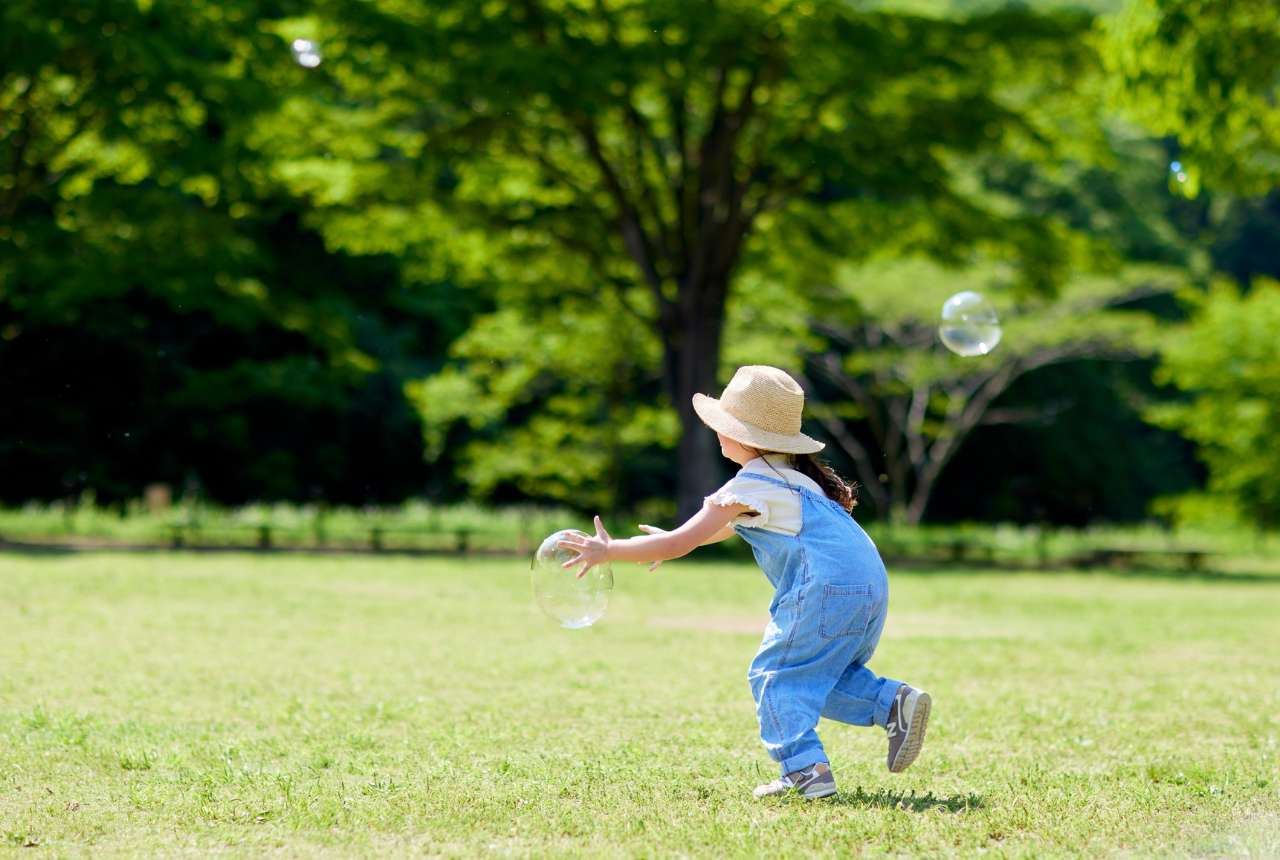
Summer of Adventure: How to Build Family Memories That Last
🧡 Summer stretches out ahead of every care circle full of possibility, and that can feel like a gift and a challenge in the same breath.
Families, educators, and caregivers all want this season to matter. A meaningful summer rarely comes from a packed calendar. It comes down to a handful of moments a child still talks about in October, the ones nobody planned too hard.
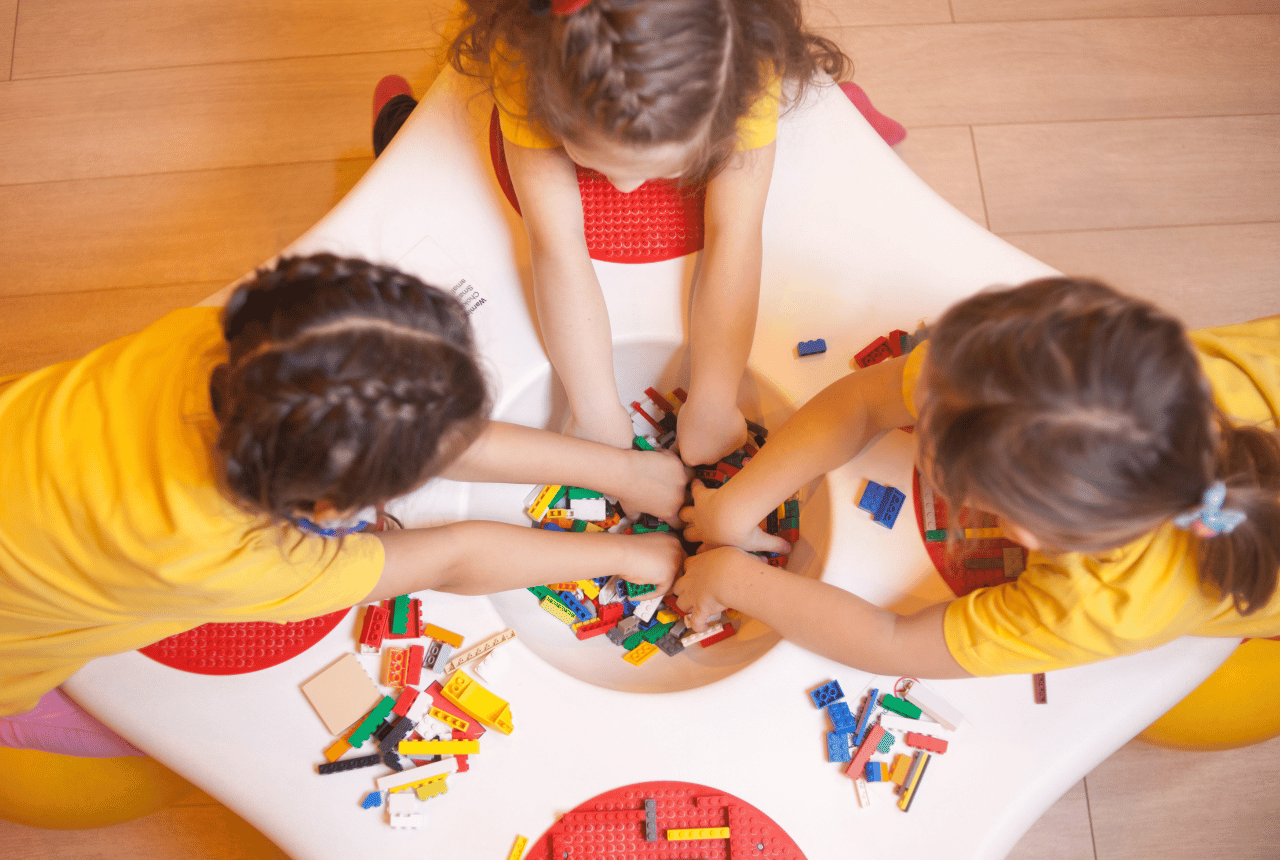
Sneaky Summer Learning: Play-Based Ways to Build Kindergarten Skills All Season Long
Summer learning doesn't have to look like school to prepare your preschooler for kindergarten. From reading signs on a walk to measuring ingredients in the kitchen and building social skills through pretend play, everyday moments are packed with learning opportunities. Discover simple, play-based ways to strengthen literacy, math, and social-emotional skills all summer long—so your child stays curious, confident, and kindergarten-ready while still enjoying the magic of childhood.

Father's Day Fun: Activities to Celebrate the Dads and Father Figures Who Inspire Us
Father’s Day is about more than cards and crafts—it’s an opportunity to celebrate the dads and father figures who make a lasting impact. Discover simple, meaningful preschool activities that build connection, confidence, and treasured memories, from child-led experiences to heartfelt keepsakes. These easy ideas help children express love, take pride in their creations, and strengthen the relationships they’ll carry with them for years to come.

Prevent the Summer Slide: Fun, Play-Based Ways to Keep Your Preschooler Learning
Preventing the summer slide doesn’t require worksheets or rigid lessons—it requires playful, consistent learning woven into everyday life. From daily read-alouds and math in the kitchen to rich conversations and outdoor exploration, this guide shares simple, play-based ways to keep preschoolers learning all summer long. The goal isn’t to recreate school—it’s to protect curiosity, build confidence, and strengthen kindergarten readiness through joyful, meaningful moments.

How to Empower Your Preschooler for the Big Jump to Kindergarten
Kindergarten readiness is about far more than letters and numbers. Children feel truly prepared when they know how to speak up, solve problems, handle new situations, and trust their own capabilities. This guide shares simple, powerful ways to empower preschoolers before the big transition—through self-advocacy, real responsibility, familiar routines, and confidence-building language that helps children walk into kindergarten feeling capable, secure, and ready to grow.

Preschool Earth Day Activities That Spark Kindergarten Readiness Skills
Earth Day is the perfect opportunity to turn simple outdoor moments into powerful learning. From planting seeds to sorting rocks, these playful activities build real kindergarten readiness skills—literacy, math, science, empathy, and fine motor development. No elaborate setup needed. Just curiosity, connection, and time outside. When learning feels like play, children build confidence, capability, and a deeper love for the world around them.

Raising a Capable Preschooler: 7 Ways to Build Confidence Before Kindergarten
Confidence isn’t given—it’s built through small, everyday moments of independence. When preschoolers are trusted to try, struggle, speak, and contribute, they begin to see themselves as capable. These simple shifts—stepping back, encouraging effort, and valuing their ideas—create lasting self-belief. Focus less on doing for them and more on doing with them, and watch quiet confidence grow before kindergarten begins.

Everyday Adventures: How to Turn Simple Moments Into Learning Magic
Real preschool learning isn’t confined to a table—it’s happening in everyday moments. This post shows how simple routines like cooking, errands, and outdoor play become powerful learning experiences that build confidence, curiosity, and real-life skills. When you shift from “doing more” to noticing more, you turn daily adventures into meaningful, joy-filled learning your child carries into kindergarten.
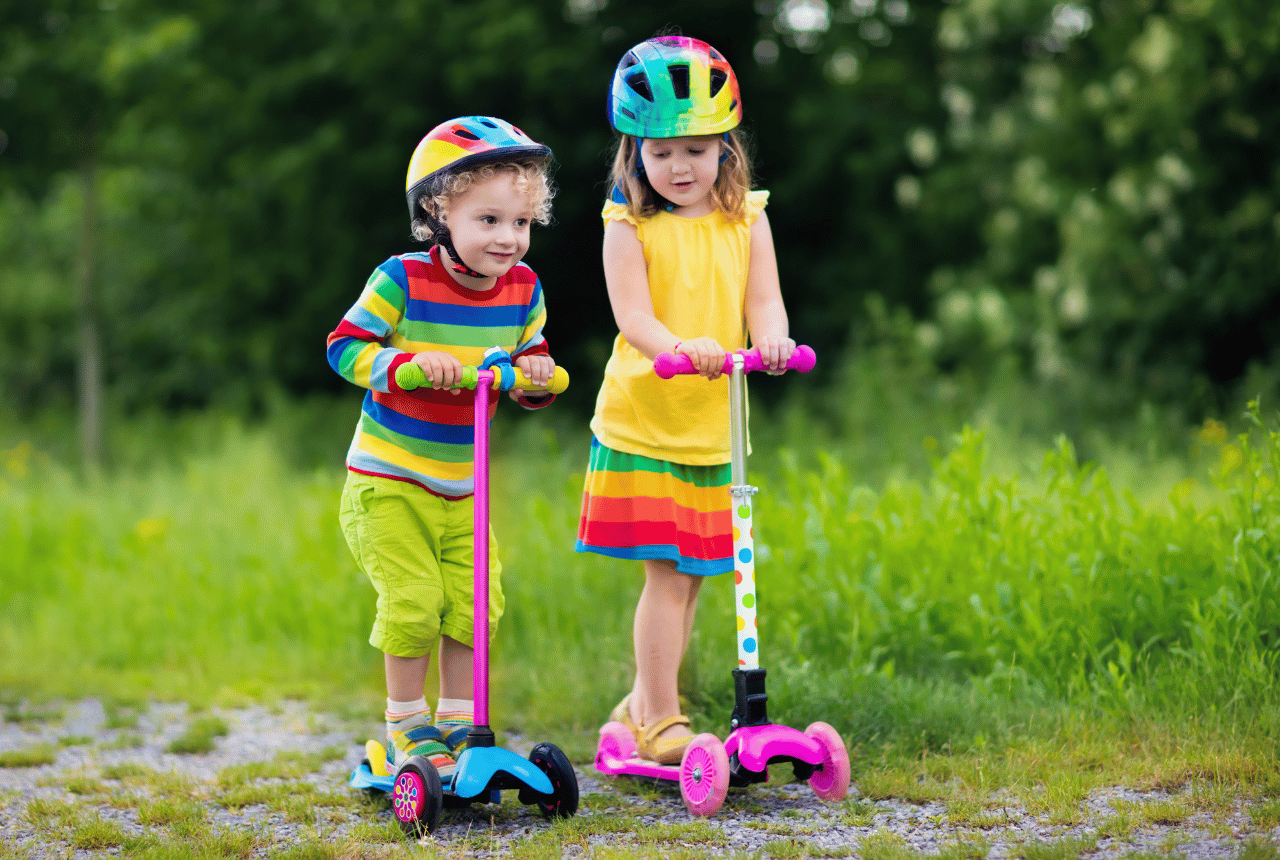
Calm Classrooms, Calm Homes: Resetting Routines During Spring Fever
When spring fever hits, preschool routines can unravel fast—energy rises, focus fades, and transitions turn into battles. The solution isn’t stricter discipline, but a simple routine reset. This post shows how predictable rhythms, purposeful movement, and clearer transitions help children regulate their energy, rebuild cooperation, and restore calm at home or in the classroom.
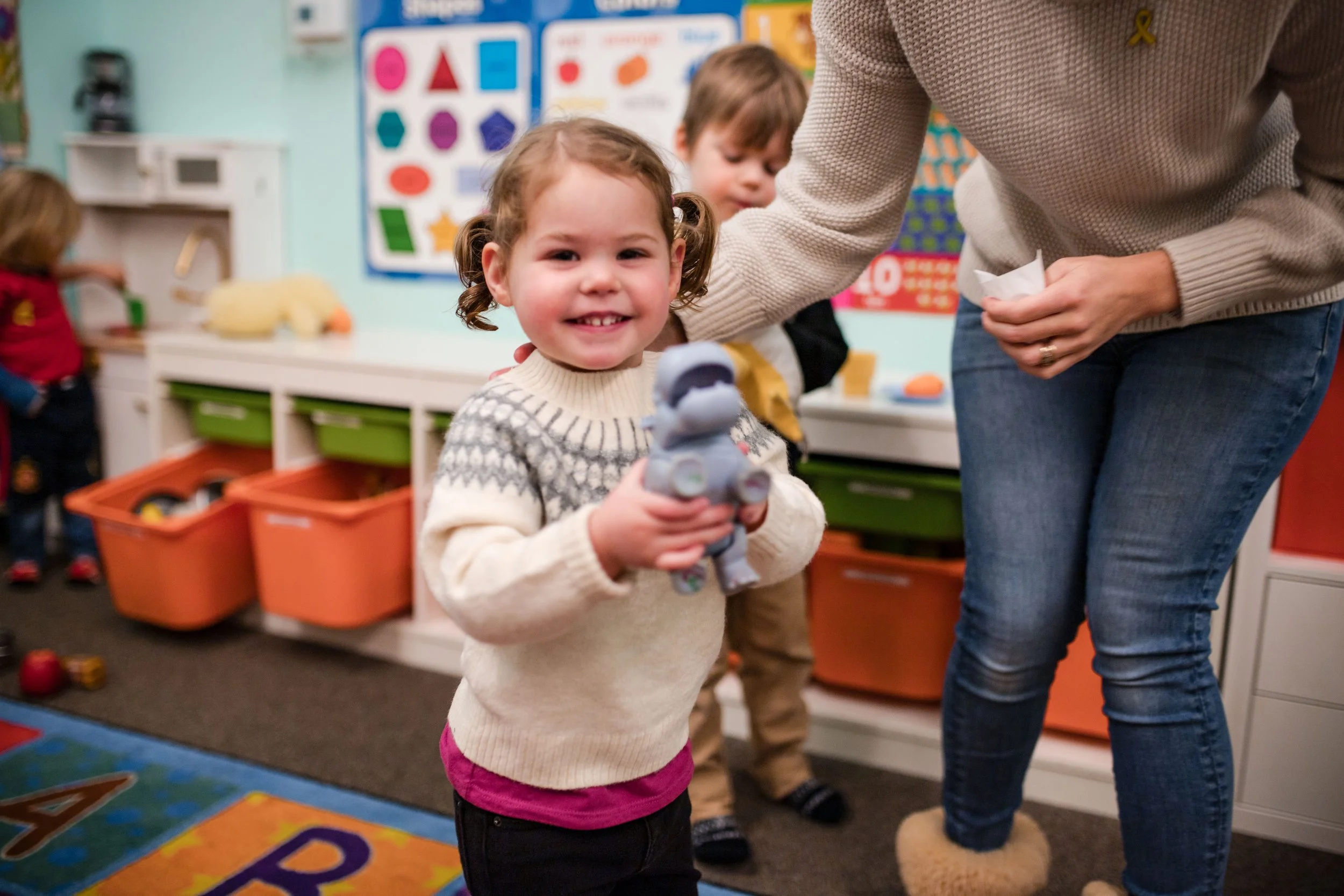
Spring Into a Positive Learning Environment
By spring, preschool days can feel tense and unpredictable—but the issue usually isn’t the curriculum, it’s the environment. This post shows how a simple reset—building emotional safety, refreshing your space, restoring routines, and leading with encouragement—can transform chaos into calm. When children feel secure and supported, confidence grows, behavior improves, and learning becomes joyful again.

The Preschool Reset: 5 Small Changes That Bring Big Calm to Your Day
If your preschool days feel chaotic and exhausting, it’s not a failure—it’s a systems problem. This post shares five small, teacher-backed shifts that bring real calm to your routine, from simple anchors to clearer expectations and proactive planning. When you focus on purposeful structure instead of doing more, you trade reactive chaos for confident, connected days—one small reset at a time.

Keep Preschool Fun and Purposeful All Year with a Simple Learning Plan
When preschool days start to feel random or rushed, it’s not a sign you’re behind—it’s a sign you need clarity. This post shows how a simple, purposeful learning plan keeps preschool fun, focused, and developmentally meaningful all year long. With clear goals, flexible routines, and play-led learning, you can build momentum without pressure and help your child grow with confidence and joy.
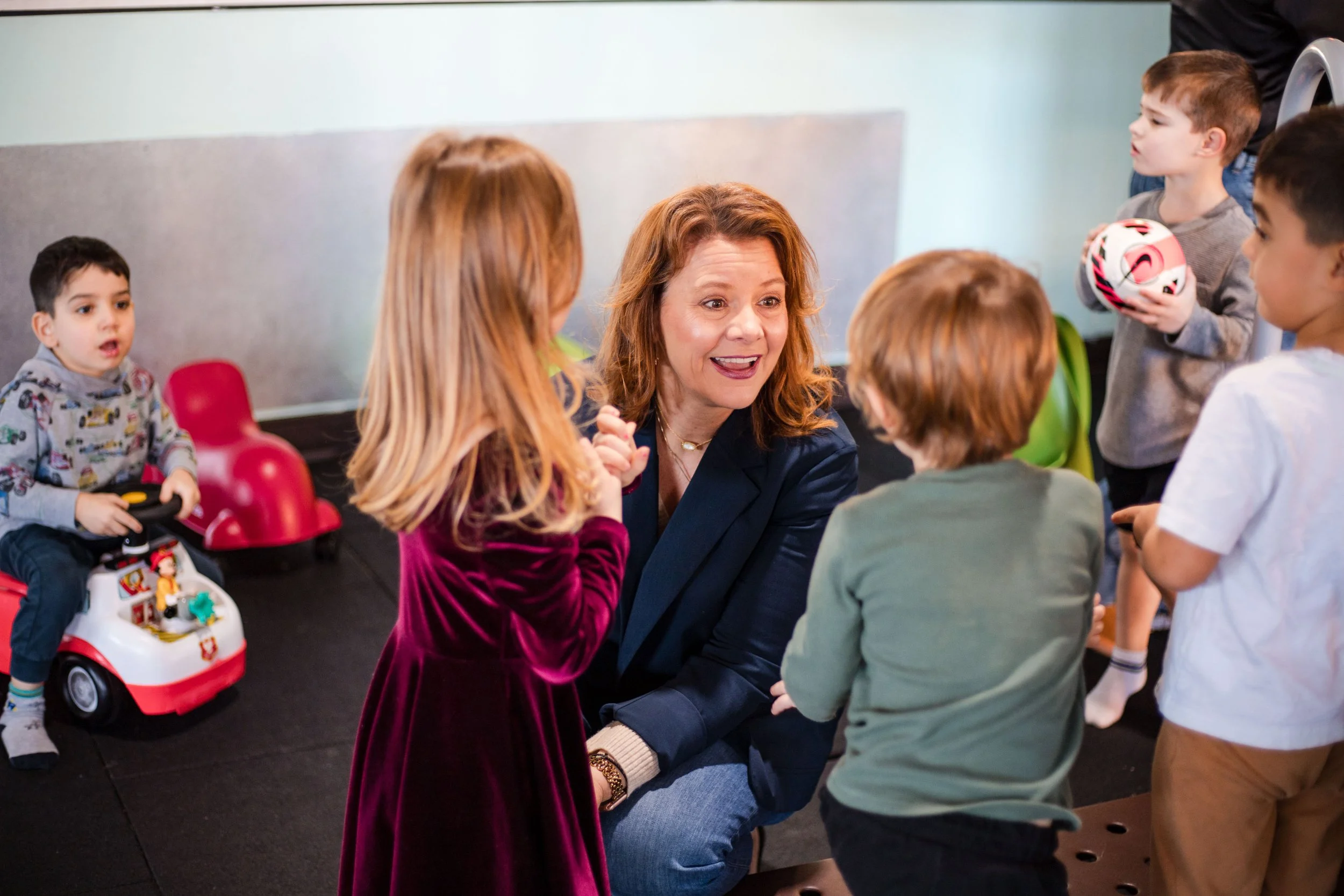
Helping Preschoolers Focus: 9 Simple Ways to Support Attention Without Pressure
Focus challenges are common in the preschool years—especially during slower winter months. This post shares 9 simple, pressure-free ways to support attention by working with your child’s development, not against it. Learn how movement, clear goals, playful routines, and connection-first strategies help preschoolers build focus with confidence. When calm replaces pressure, attention grows naturally—and learning feels more joyful for everyone.