
Late-Summer Reset: How to Transition from Relaxed Days to Back-to-School Routines
August has a way of arriving faster than anyone expects. One week your program is running on relaxed summer hours, full of water play and unstructured afternoons. The next, you're staring down a calendar that demands structure, schedules, and a room full of children who have spent two months forgetting what "circle time" even means.
If your classroom feels a little out of rhythm right now, you're in excellent company. Every experienced educator knows this exact friction. The question isn't whether the transition will feel bumpy. It's how quickly you can smooth it out.
Why Routine Resistance Shows Up Every August
Children thrive on predictability, and summer, by its very nature, strips a lot of that predictability away. Bedtimes shift. Meals happen at odd hours. Days blend into each other without much of a marker between them. So when a structured schedule suddenly reappears in September, it can feel less like a return to normal and more like an entirely new set of rules.
But resistance to a new routine isn't a sign that something's wrong. It's just a sign that children are creatures of habit, and habits take a little time to rebuild. Understanding that shifts the whole approach. Instead of enforcing structure all at once, the goal becomes helping children ease back into it.
Start With One Anchor Point
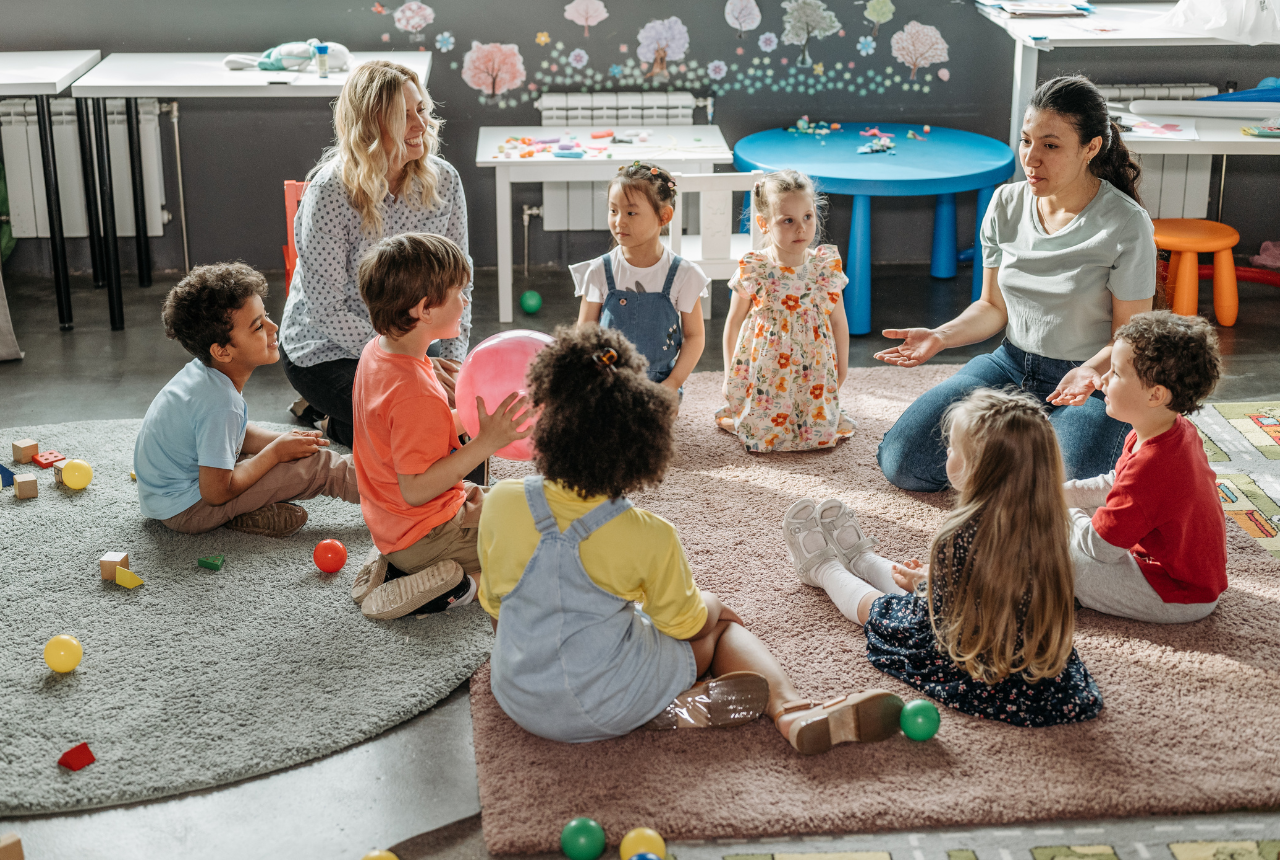
Trying to overhaul an entire day at once is a recipe for overwhelm, for children and educators both. A stronger approach is to pick one anchor point in the day and build consistency there first.
Mornings tend to work well as that anchor. A steady arrival routine, the same greeting song, the same first activity, gives children something familiar to hold onto right at the start of the day. Once that morning rhythm feels solid, usually within a week or two, it becomes much easier to extend structure into the rest of the schedule.
Build Predictability Through Repetition, Not Rules
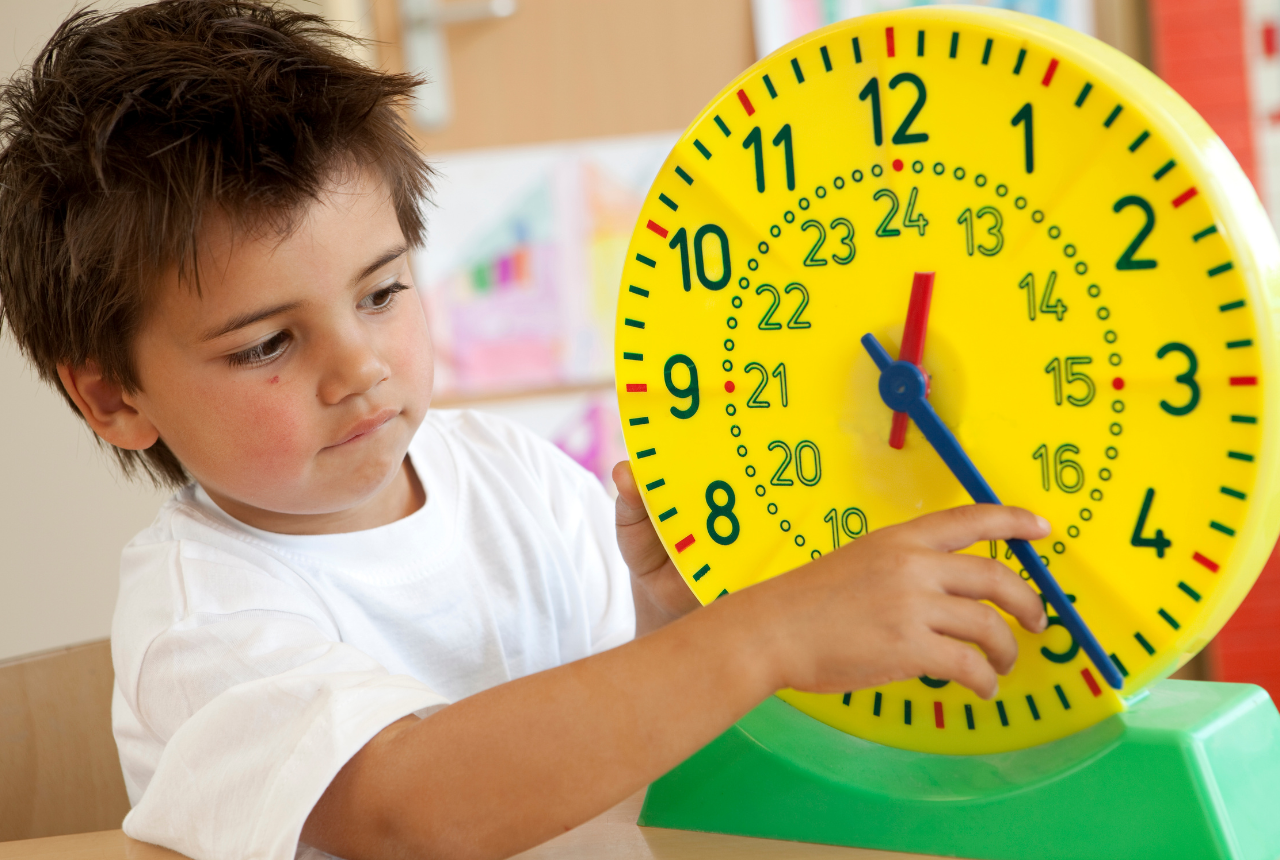
It's tempting to lean on rules and reminders to get a room back on track. "We don't run in the classroom." "It's time to clean up now." But rules alone rarely build the kind of internal rhythm that makes a classroom feel calm.
Repetition does that work far more effectively.
The same transition song before cleanup.
The same visual schedule posted at eye level.
The same sequence of events, day after day, until the pattern becomes familiar enough that children start anticipating it themselves.
That's when a classroom truly settles, because the rhythm became second nature.

Bring Families Into the Reset
A classroom routine only goes so far if it stops at the classroom door. Families are navigating their own version of this reset at home, often with far less experience than you have. A short note home outlining your classroom's daily rhythm, or a few suggestions for building a similar anchor point at home, extends the consistency your students need well beyond drop-off.
This kind of communication also does something else valuable. It shows families that you're thinking about their child's whole experience, not just the hours spent in your care. That kind of visible partnership is exactly what builds the trust that keeps families enrolled and referring others.
Where to Focus First
Every program's reset looks a little different depending on age group, class size, and what worked (or didn't) last year. If you're not sure where your own classroom's biggest opportunity lies right now, our free Preschool Pathfinder quiz can help. It walks you through a few quick questions and points you toward exactly where to put your energy this season, whether that's Magical Memory-Making or Kindergarten Readiness.
Your Next Step
Take the quiz here, and grab our free Sample Daily Routine Template while you're at it. It's a simple starting point for building the kind of morning anchor that makes the rest of the reset so much easier.
Visit our Preschool Advisor and The Buzz Blogs to learn more about related topics, parenting, and educator tips. You are welcome to join our private Preschool Advisor Facebook group. It’s a growing community of parents and preschool teachers where you can learn and share more parenting tips.