The Power of Choice: 6 Ways to Give Preschoolers Real Independence in Your Program
You want the children in your care to feel capable. Confident. Like they have some real say over their day, instead of being shuffled from one adult-led moment to the next.
Then the worry creeps in. Give preschoolers too much say, and does the room fall apart? Does "choice time" turn into six kids wandering, one meltdown by the sensory bin, and you spending the next twenty minutes wrangling instead of teaching?
Real independence and a calm, well-run room aren't in competition. Built the right way, choice is one of the strongest classroom management tools you have.
Why Choice Works When It's Built Right
Three decades in early childhood education, including years developing curriculum for programs operating across the US and Europe, point to the same pattern again and again. Children given structured choices show fewer power struggles, not more. The chaos usually comes from choice that's too open, not too present.
There is no form of chaos that structured choice can't tame. These six ways bring real independence into your program without handing over the reins.
6 Ways to Give Preschoolers Real Independence
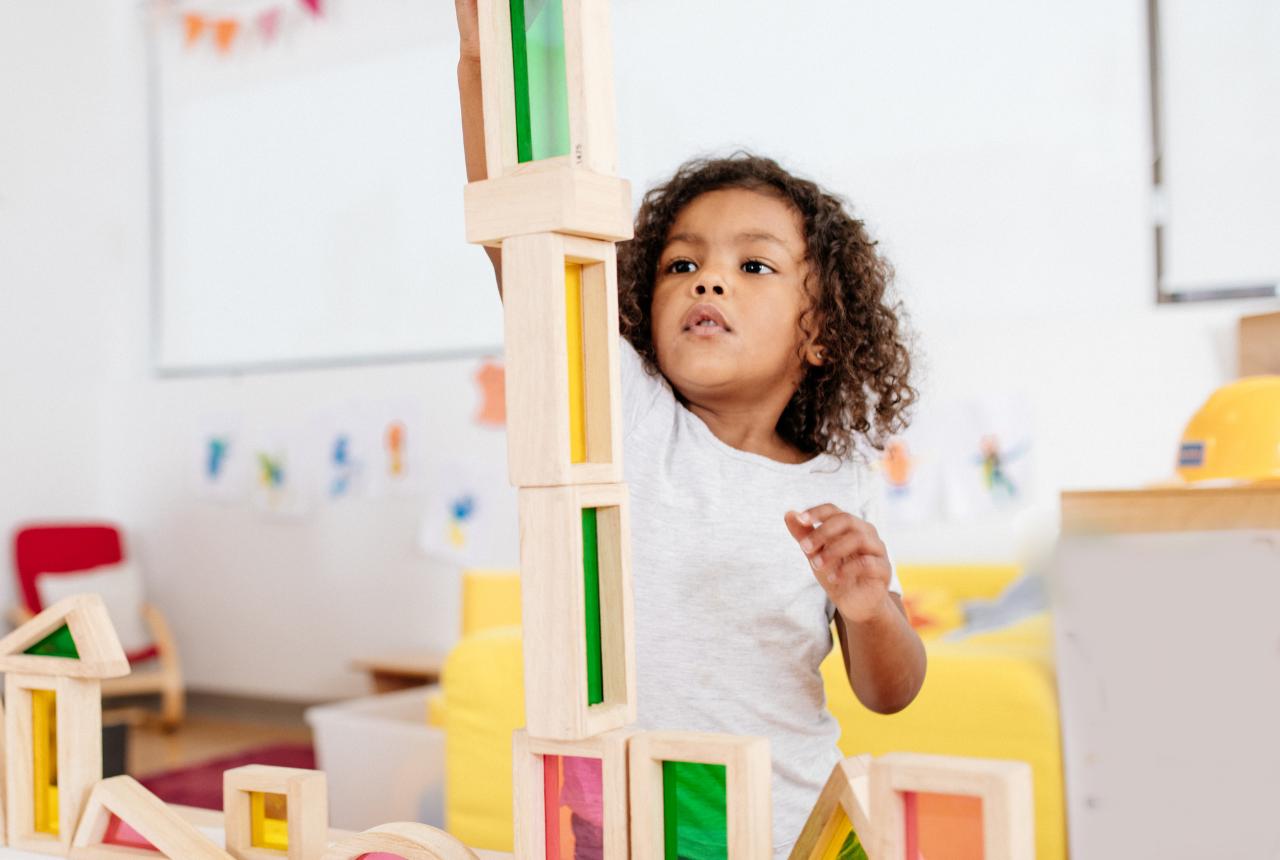
1. Offer two good choices, not open-ended ones
"Do you want to paint or build with blocks?" gives a preschooler control without decision paralysis. Open-ended choices like "what do you want to do?" often produce the wandering you're trying to avoid. Narrow the field and the room stays calm.
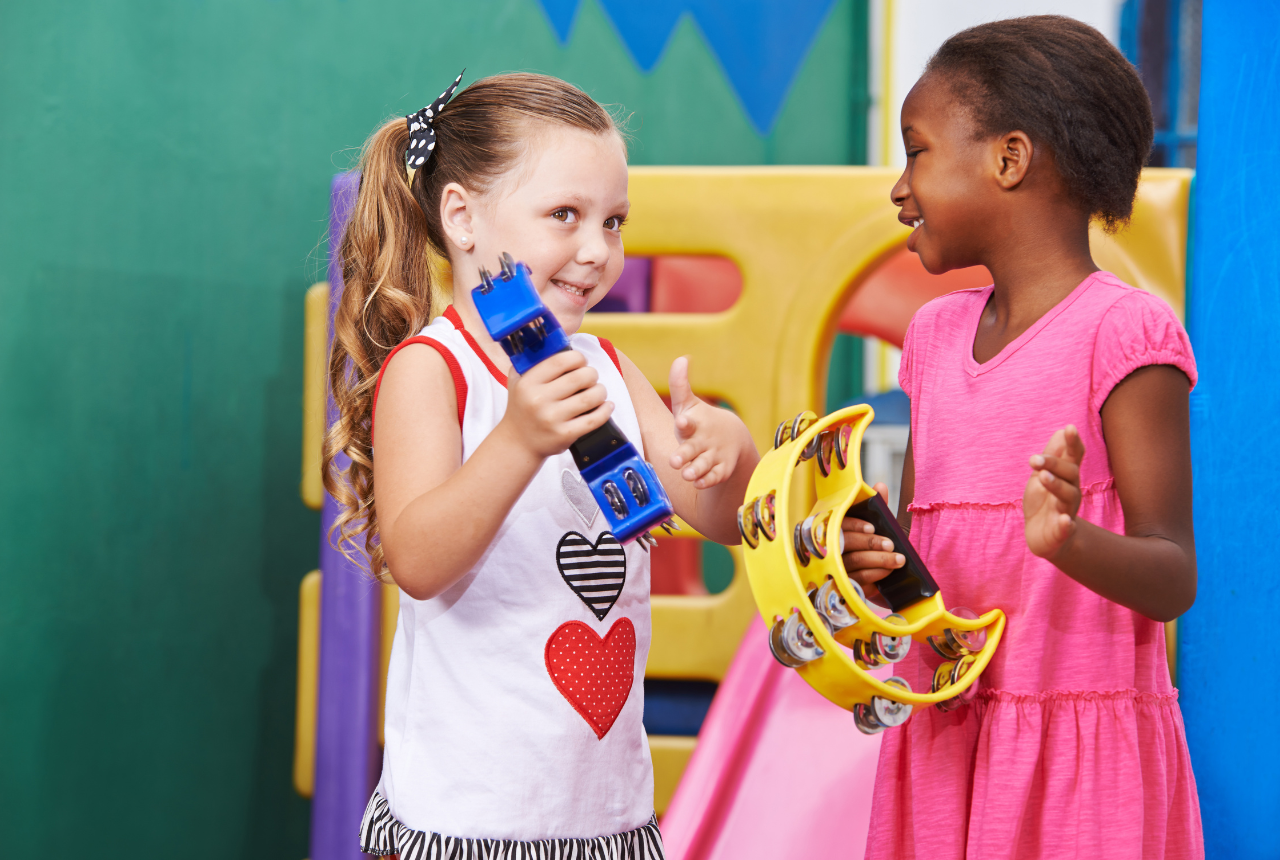
2. Build choice into transitions
Let children pick the cleanup song, choose their activity stations, or decide the order of two closing tasks. Small, contained choices during transition moments keep independence flowing all day, not just during designated choice time.
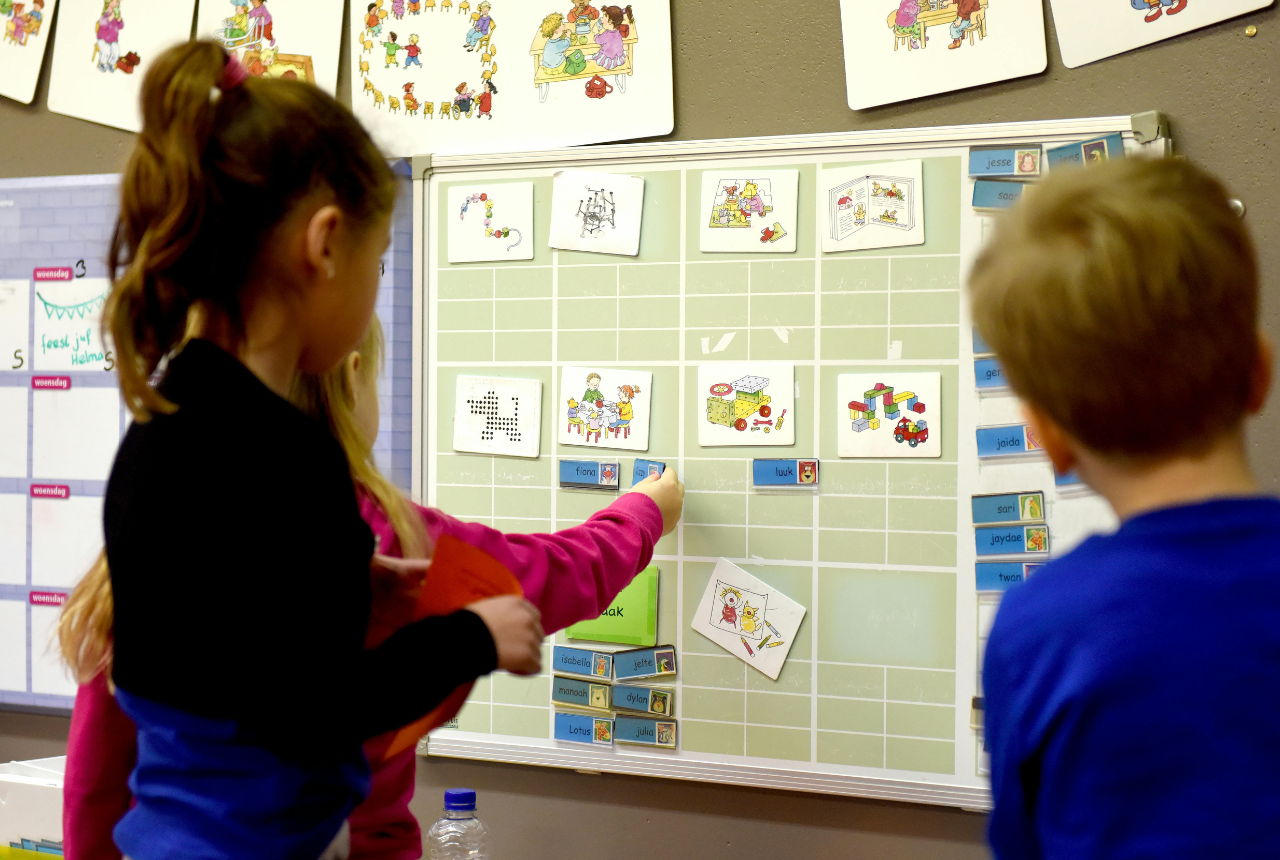
3. Use a visual choice board
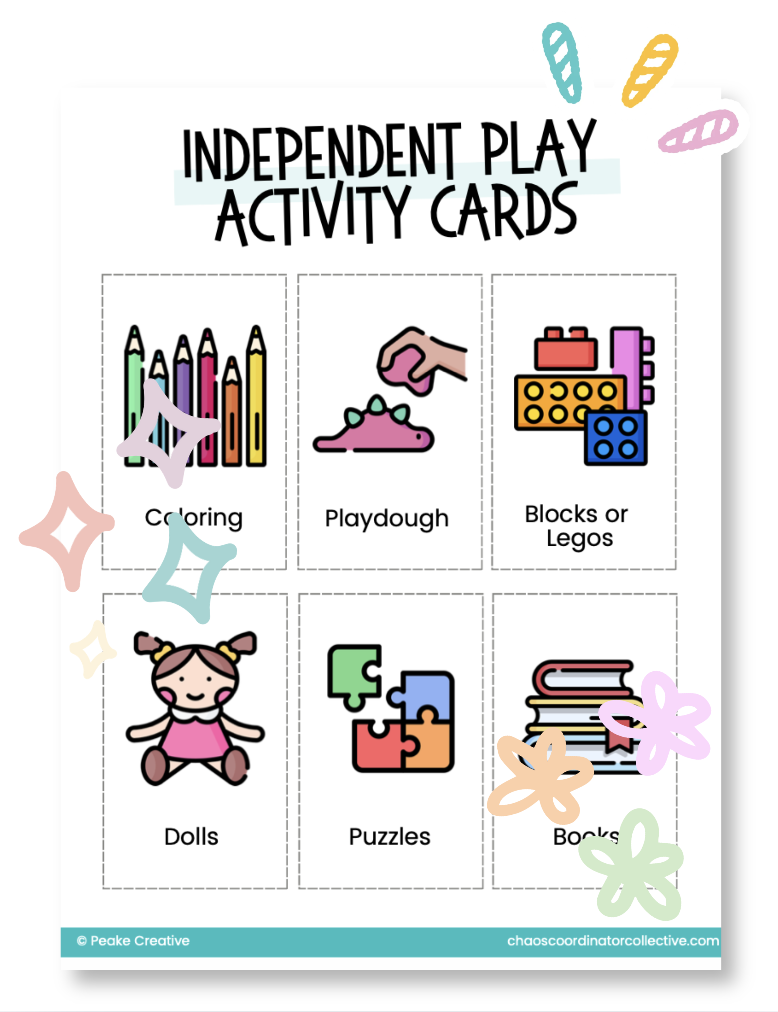
A simple board with picture cards for each activity lets children make decisions on their own, without needing you to narrate every option out loud. This single change frees up your attention for the moments that need it most.

4. Let children choose their work, not just their play
Independence isn't only about the block corner. Offer a choice within a learning task too, like which color to trace with or which book to read first during story time. Children who feel ownership over their work engage with it longer.
5. Assign real classroom jobs
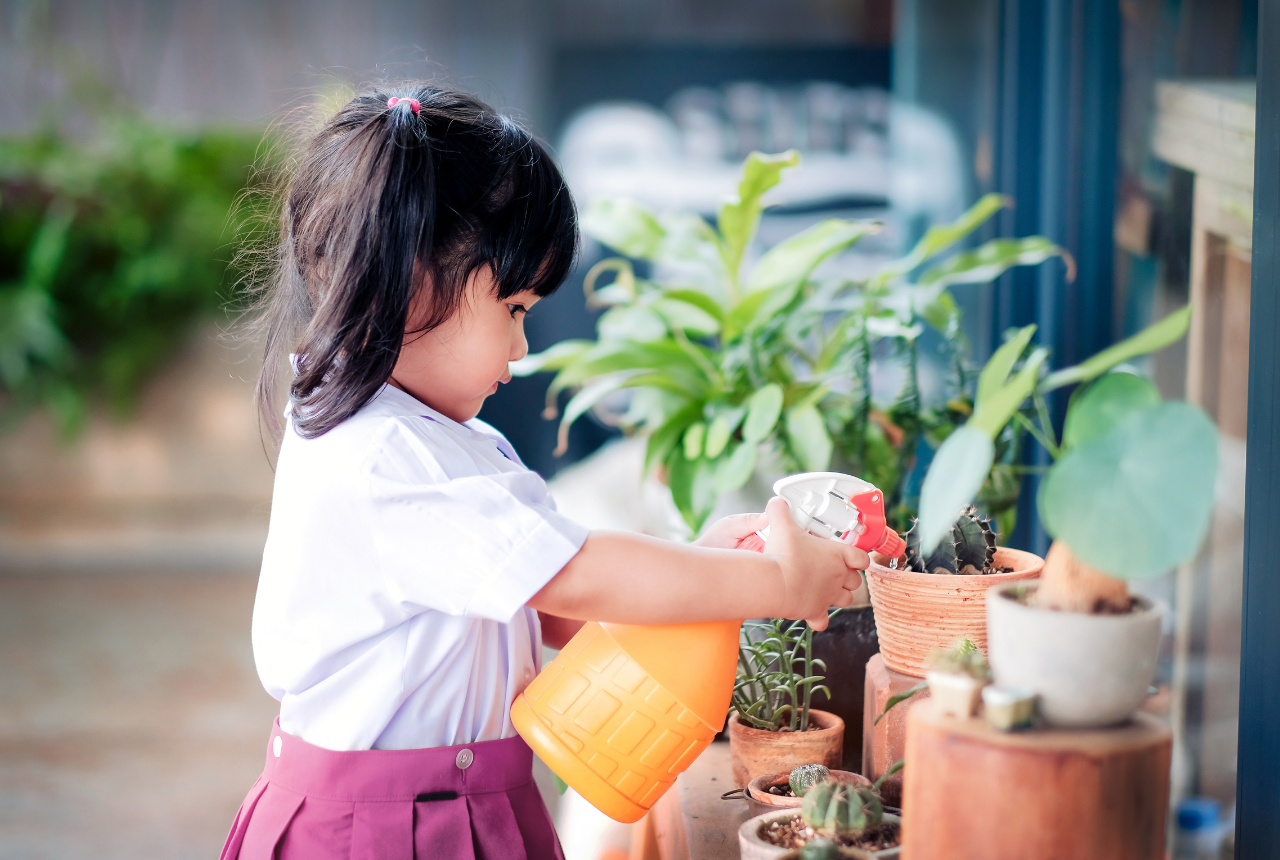
Line leader, plant waterer, snack helper. Rotating jobs give every child a turn at responsibility and a sense of belonging in the room's daily rhythm. Jobs channel the desire for independence into roles that support the classroom, not disrupt it.
6. Build in a short reflection moment
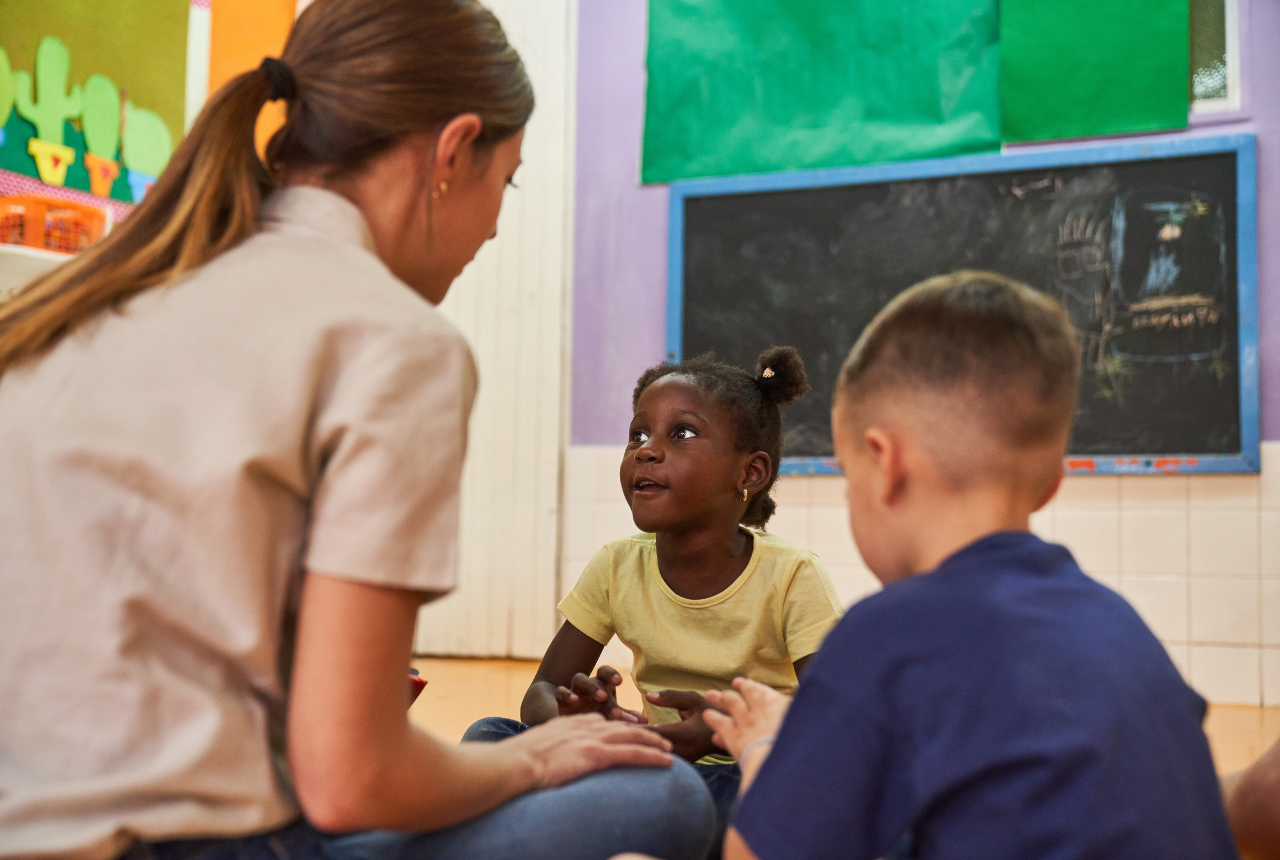
After choice time, ask one simple question: "What did you pick today?" This closes the loop, helps children connect their choice to how their day went, and builds the self-awareness that carries them straight into kindergarten readiness.
Why This Matters Right Now
Back-to-school routines are still settling. The children in your care are learning your room's rhythm for the first time, or relearning it after summer. Teaching real independence now, while routines are forming, means fewer power struggles for the rest of the year. Wait until December to introduce structured choice, and you're retraining habits instead of building them.
Choice Is Chaos Control in Disguise
Real independence in your program doesn't come from letting go of structure. It comes from building structure smart enough that children can run with it themselves. Start with one of these six ways this week and watch how much of the day starts running itself.
Your Next Step
🧡 Grab the Independent Play Activity Cards below to put structured choice into action right away.
Visit our Preschool Advisor and The Buzz Blogs to learn more about related topics, parenting, and educator tips. You are welcome to join our private Preschool Advisor Facebook group. It’s a growing community of parents and preschool teachers where you can learn and share more parenting tips.